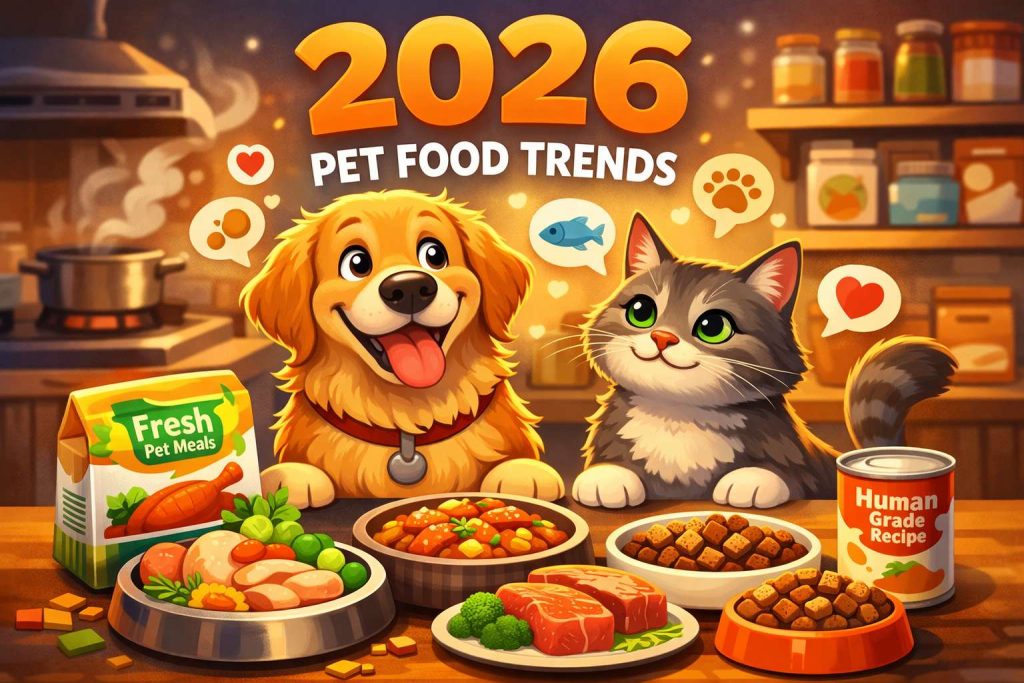
Pet food in 2026 keeps moving in one clear direction. People want better food for their pets, and they want it to feel closer to the food they buy for themselves. That is why premiumization and pet humanization are still driving growth, even as many shoppers watch prices more closely. Statista’s market forecast puts worldwide pet food revenue at $161.72 billion for 2026, growing 4.84% a year through 2031.
You can see this shift in everyday choices. More pet parents read labels. More of them compare ingredients. And more of them pay extra for food that feels safer, cleaner, and easier to trust.
Premium is starting to feel normal
A few years ago, “premium” felt like a treat purchase. In 2026, it often feels like the standard pick for many households.
Brands keep releasing recipes that cost more, but they also look more “complete” on paper. They highlight real protein sources, clearer ingredient lists, and benefits like digestion support or skin-and-coat care. For a lot of shoppers, that is worth paying for.
Premium food also fits the way people think about pets now. Many owners do not see food as just fuel. They see it as daily care. The same category as brushing teeth, parasite control, and regular checkups. So when a food looks trustworthy, they stay loyal.
Humanization is shaping real products, not only ad copy
Pet humanization is not just a marketing idea. It changes what brands make.
In 2026, “human-style” food formats are everywhere. Fresh meals. Chilled options. Broths. Gravies. Portion packs. Even variety bundles that feel like meal planning.
It makes sense. When pet parents open a pack, they want it to look real. They want ingredients they recognize. They want a smell and texture that feels like food, not like a mystery mix.
Humanization also pushes variety. Owners rotate proteins more often, even when their pet does fine on one main recipe. It is not always a nutrition decision. Sometimes it is just the feeling of giving your pet something nicer that day.
Functional nutrition is becoming an everyday choice
Premium pet food in 2026 is not only about taste and appearance. It is also more targeted.
Functional nutrition keeps growing, and it is no longer limited to vet-only products. People now look for benefits that match daily life, like:
- Sensitive stomach support
- Weight control and portion guidance
- Skin and coat support
- Indoor cat formulas
- Age-focused recipes for older pets
This trend is easy to understand. Owners notice small signs. Loose stools. Extra scratching. Dull coat. Low energy. They want a food that helps, and they want an option they can buy without a complicated process.
A lot of premium brands also make this simpler by offering clearer feeding charts, calorie guidance, and life-stage labels. That helps people feel confident. Even if they are still learning.
Careful shoppers still trade up
Many shoppers still feel careful with money in 2026. Euromonitor International’s 2025 review of pet care found that rising cost pressures were holding back volume growth, and that humanization and premiumization kept value growing.
Some buyers step down to store brands for a while. Others mix premium wet food with a more affordable dry base. It feels practical, and it still gives owners the feeling of “doing right” by their pet.
And when costs come up, pet parents often think beyond food. Vet care, meds, dental cleanings, emergency visits. It all adds up fast. If you are weighing those costs too, this warm, honest dog insurance guide for dog parents can help you think it through in a calm, realistic way.
Labels and packaging matter more than ever
In 2026, premiumization depends on trust. Brands need to earn it quickly.
Most shoppers scan a label in seconds. They want simple answers. What is the main protein. What is the benefit. Is it easy to digest. Is it made with care.
What usually builds confidence:
- Clear protein-first ingredient lists
- Simple, direct naming (no vague blends)
- Benefit-driven claims that feel believable
- Safety signals like traceability and quality checks
- Packaging that is easy to store and reseal
The tricky part is balance. “Human-style” claims can help, but only when the message stays clear. If it turns into fluffy wording, people tune out. They want plain language. They want specifics.
Where premium pet food sells is changing too
Premium pet food does not live in one aisle anymore.
It sells in supermarkets, pet specialty stores, online marketplaces, and direct-to-consumer shops. Subscriptions and autoship options also help premium brands keep customers long-term. People like routine. If a food works well, they want it to show up on time.
Retail shelves also feel more “guided” now. Many stores group food by benefit. Sensitive digestion. Weight care. Skin and coat. That makes shopping feel easier, and it naturally pushes shoppers toward higher-priced options with clearer promises.
Online shopping helps premium grow too. It gives brands more space to explain ingredients, feeding guidance, and product differences. That extra context matters when the price is higher.
What to expect for the rest of 2026
Pet food trends in 2026 point to steady growth, but brands need to work for it. Premiumization still wins, and humanization still shapes demand. At the same time, shoppers expect real value, not only nice packaging.
Expect more recipes built around clear outcomes. Expect more fresh and chilled options where retail cold-chain keeps improving. Expect more segmentation by age, breed size, and lifestyle.
The main idea stays simple. Pet parents want food that feels close to human standards, and they keep paying for it when the product earns trust. It really is that straightforward.