
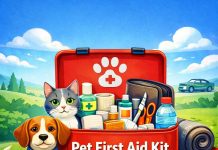













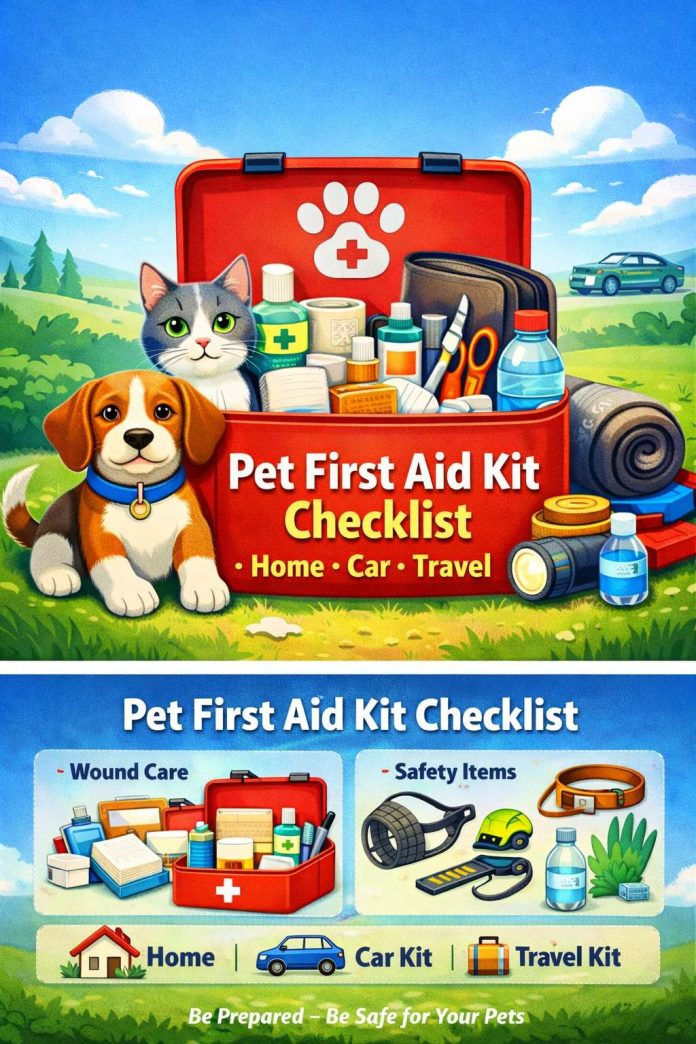
A pet first aid kit helps you react fast when something goes wrong. It keeps your supplies in one place, so you can stop a small bleed, clean a scraped paw, or keep your pet warm on the way to the vet. It can feel like a small thing, but it makes a big difference in the moment.
This guide gives you a complete checklist for three setups. A home kit that covers everyday problems. A car kit for road surprises. A travel kit for long trips, hotels, and outdoor walks.
You do not need to buy everything at once. Start with the basics, then build from there. That way, your kit stays simple and easy to use.
Put this emergency info in every kit
Before you pack gauze and tape, gather your key info. Then print it and store it in a waterproof zip bag at the top of the kit.
- Veterinarian name and phone number
- Nearest emergency vet clinic phone number
- Pet name, breed, age, and weight
- Microchip number
- Current medicines and doses
- Known allergies
- Clear recent photo of your pet
- Backup contact person
Save the same numbers on your phone too. Still, keep the paper copy. Phones die at the worst times.
The core pet first aid kit checklist (the base for all kits)
Start with this list first. Then copy it into your home kit, car kit, and travel kit. After that, you can add extras based on your routine.
Wound care and bandage supplies
Small cuts happen, and scraped paws happen even more. So you want the basics ready.
- Sterile gauze pads (mixed sizes)
- Gauze roll bandage
- Non-stick wound pads
- Self-adhesive wrap (sticks to itself)
- Medical tape
- Sterile saline pods (single-use is clean and easy)
- Pet-safe antiseptic wipes
- Cotton balls or cotton swabs
Quick tip: Put these in one pouch labeled “Wounds.” Then you can grab them fast.
Tools you will actually use
Tools matter, but keep them simple. You want items that work in low light and shaky hands.
- Blunt-tip scissors
- Tweezers
- Tick remover tool
- Digital thermometer
- Small flashlight or penlight
- Disposable gloves (nitrile or non-latex)
Gloves matter more than most people think. So pack more than you expect to need.
Handling and safety items
Pain can flip your pet’s mood in seconds. So plan for safe handling.
- Muzzle that fits your dog
- Soft cloth muzzle as backup
- Extra leash (slip lead works well)
- Small towel (restraint, padding, cleanup)
For cats, skip the muzzle in most cases. Use a towel wrap instead, then keep your hands away from teeth.
Cleaning and mess control
Clean-up supplies make everything easier. Then you can focus on your pet, not the mess.
- Mild soap in a small bottle
- Hand sanitizer
- Paper towels
- Sealable bags (dirty gauze, waste, wet items)
- Small bag for “used tools”
Cold and warmth support
You will use these more than you think, especially after slips and falls.
- Instant cold pack
- Emergency foil blanket
- Heat pack (for cold weather trips)
Water and comfort
A calmer pet is easier to handle. So keep comfort basics close.
- Bottled water
- Collapsible bowl
- A few treats in a sealed bag
Home pet first aid kit checklist (the full kit)
Your home kit can be bigger and better stocked. So think of it as your main hub. Then your car and travel kits become smaller copies.
Choose a home kit container that makes sense
Pick one option and stick with it. That way, you always know where things go.
- Hard plastic box with latch
- Small tool box
- Tackle box with sections
- Soft duffel bag with compartments
Label each section. It feels a bit extra at first, but it helps a lot later.
Add these home-only items
At home, you can keep backups and extra comfort items. So these are worth adding.
- Extra gauze pads and gauze rolls
- Extra self-adhesive wrap (this runs out fast)
- Extra medical tape
- Extra gloves (10 to 20 pairs)
- Extra saline pods
- Large clean towel or small blanket
- Cone collar (standard cone or inflatable style)
- Styptic powder (helpful for nail quick bleeding)
- Lubricating jelly (for thermometer use)
- Small squeeze bottle for gentle rinsing
You can store this kit in a laundry room, hallway closet, or kitchen cabinet. Just keep it dry, and keep it out of reach of pets and kids.
Car pet first aid kit checklist (compact and road-ready)
A car kit needs to be simple, quick, and easy to grab. It also needs to handle heat. Cars warm up fast, even on mild days. So avoid storing delicate medicines in the car long-term.
Car kit essentials
Start with the core list, then scale it down. Next, add a few road-focused items.
- Core kit items (smaller quantities)
- Slip lead leash
- Reflective collar or reflective strap
- Small LED clip light
- Extra bottled water
- Collapsible bowl
- Emergency blanket
- Two towels (one dry, one for muddy paws)
- Trash bags or a seat cover
Bandage boost for the car
Roadside injuries often need extra wrap. So pack more of these.
- Extra gauze roll
- Extra self-adhesive wrap
- Extra non-stick wound pads
Where to store the car kit
Place it where you can reach it fast.
- Behind the front seat
- Side trunk pocket
- Storage bin near the spare tire
Use a bright bag, then add a tag that says “Pet First Aid.” It helps in a rush.
Travel pet first aid kit checklist (hotels, hikes, long drives)
Travel adds new problems. You deal with new surfaces, new smells, and new stress. So your kit should cover small injuries and comfort needs, not just bandages.
Travel ID and paperwork
Pack this even for short trips. Then you are ready if your pet slips out of a leash or a door.
- Vaccination record copy
- Microchip number card
- Current meds list
- Recent photo of your pet
- Backup collar with ID tag
Travel comfort and hygiene
These items reduce stress and mess. Then your trip stays easier for everyone.
- Paw wipes
- Poop bags
- Small towel
- Blanket or mat
- Extra treats (sealed)
Outdoor add-ons for walks and trails
If you spend time outside, these items help a lot. Plus they protect paws on rough ground.
- Paw booties
- Small paw balm tin
- Long line leash
- Extra water and a second collapsible bowl
And if you want a simple list of gear that makes walks and road trips safer, this guide pairs well with your travel kit: 14 must-have safety gear items every dog needs for walks and road trips.
Travel first aid items (compact version)
Keep this part lean. Then you avoid overpacking.
- Sterile gauze pads
- Non-stick wound pads
- Self-adhesive wrap and tape
- Pet-safe antiseptic wipes
- Saline pods
- Gloves
- Tweezers
- Tick remover tool
- Small flashlight
Build your kit in three simple levels
This keeps things organized and realistic. You will actually maintain the kits if they stay manageable.
Grab-and-go pouch (fastest option)
This is your “two minutes” kit. It fits in a small pouch.
- Gloves
- Gauze pads
- Self-adhesive wrap
- Medical tape
- Antiseptic wipes
- Saline pods
- Tweezers
- Tick remover tool
Home kit (your main kit)
This includes the core list plus backups, cone collar, extra towels, and restock items.
Travel kit (light and focused)
This is your grab-and-go pouch plus travel ID, paw care, and extra water supplies.
Pack your kit by task, not by item type
This part matters more than people expect. A well-packed kit saves time, and it lowers stress.
Use five mini-pouches if you can:
- Wounds: gauze, pads, wrap, tape
- Cleaning: saline, wipes, soap, paper towels
- Tools: scissors, tweezers, tick tool, thermometer
- Safety: gloves, muzzle, leash
- Comfort: water, bowl, blanket, treats
Then label each pouch. Keep it simple, and make it obvious.
Restock your pet first aid kit without overthinking it
Restocking sounds boring. Still, it keeps your kit useful. So pick one date that is easy to remember.
Monthly check (5 minutes)
- Replace used items
- Replace opened wipes
- Check flashlight batteries
- Refill water bottle if needed
- Confirm emergency numbers are still correct
Every 6 months (10 minutes)
- Replace expired items
- Replace old treats
- Update the pet photo
- Update the meds list
If you have more than one kit, restock them on the same day. Then you stay consistent.
Basic first aid rules that keep you and your pet safer
A kit helps most when you follow a simple plan. So keep this order in mind.
- Stay calm
- Keep your pet still
- Protect your hands
- Handle one problem at a time
Bleeding
Put on gloves first. Then press gauze on the wound and hold steady pressure. If the gauze soaks through, add another layer on top. Do not remove the first layer. After that, wrap with gauze roll, then add self-adhesive wrap.
If bleeding does not slow, go to the vet fast.
Paw cuts and scrapes
Rinse the paw with saline. Then pat it dry with gauze. Next, cover it with a non-stick pad. Wrap with gauze roll, then finish with self-adhesive wrap. Keep the wrap snug, not tight.
Check the toes after a few minutes. If you see swelling, loosen the wrap.
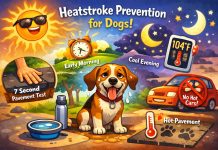
Paw injuries are common, so prevention helps too. This short guide is a good habit builder: 7-second rule for dogs.
Ticks
Use a tick tool or tweezers. Pull straight out with steady pressure. Then clean the area with a pet-safe wipe. Watch your pet over the next few days for low energy, limping, or fever.
Suspicious food or chewing accidents
Remove what is left, then keep the packaging. Next, call your vet or a poison hotline right away. Do not try random home fixes. Poison cases can change fast.
Breathing trouble, collapse, or seizures
This is not a “wait and see” moment. Keep your pet warm and safe, then go to emergency care right away.
Printable pet first aid kit checklist (copy and paste)
This is the master list. Print it once, then use it for all three kits.
Core kit (Home, Car, Travel)
- Emergency contact card
- Pet photo
- Med list and allergy list
- Sterile gauze pads
- Gauze roll bandage
- Non-stick wound pads
- Self-adhesive wrap
- Medical tape
- Sterile saline pods
- Pet-safe antiseptic wipes
- Cotton balls or cotton swabs
- Blunt-tip scissors
- Tweezers
- Tick remover tool
- Digital thermometer
- Flashlight or penlight
- Disposable gloves
- Extra leash
- Muzzle (dog) or towel wrap plan (cat)
- Towel
- Emergency foil blanket
- Mild soap
- Hand sanitizer
- Paper towels
- Sealable bags
- Bottled water
- Collapsible bowl
- Treats (sealed)
Home add-ons
- Extra gauze pads and wraps
- Extra gloves
- Extra saline pods
- Cone collar
- Styptic powder
- Lubricating jelly
- Spare towel or blanket
- Squeeze bottle for rinsing
Car add-ons
- Reflective strap or collar
- LED clip light
- Seat cover or trash bags
- Extra bandage wrap
- Extra water
Travel add-ons
- Vaccine record copy
- Backup collar with ID tag
- Paw wipes
- Paw booties
- Paw balm
- Long line leash
- Extra poop bags
- Blanket or mat
A final tip that keeps everything easy
Build the home kit first. Then copy a smaller version into the car kit. After that, pack a travel kit that matches your typical trips. So you always know what you have, and you always know where it is.
A first aid kit does not replace a vet. Still, it buys you time and control during a scary moment. That alone is worth it.