













Walking your dog and loading them into the car feels simple. You clip the leash, grab your keys, and go. Yet one loose leash or one sudden stop can change everything. A little planning and the right gear keep those small surprises from turning into real emergencies.
This guide runs through practical safety gear that protects your dog on sidewalks, in parking lots, and on long drives. You will see what each item does, which features to look for, and a few real product examples. Then you can pick what fits your dog and your daily routine.
If you just started life with a dog, it helps to pair this article with a broader safety view at home and outside. You can read this friendly pet safety basics guide for new pet parents and mix those tips with the gear below.
Why dog safety gear matters more than many people think
Dogs trust us in every strange place. Busy crossroads, crowded parks, loud rest stops. They do not judge speed well, and their first reaction is often to chase or to run away from a scary sound. One bike, one dropped piece of food, or one firework can flip their focus in a second.
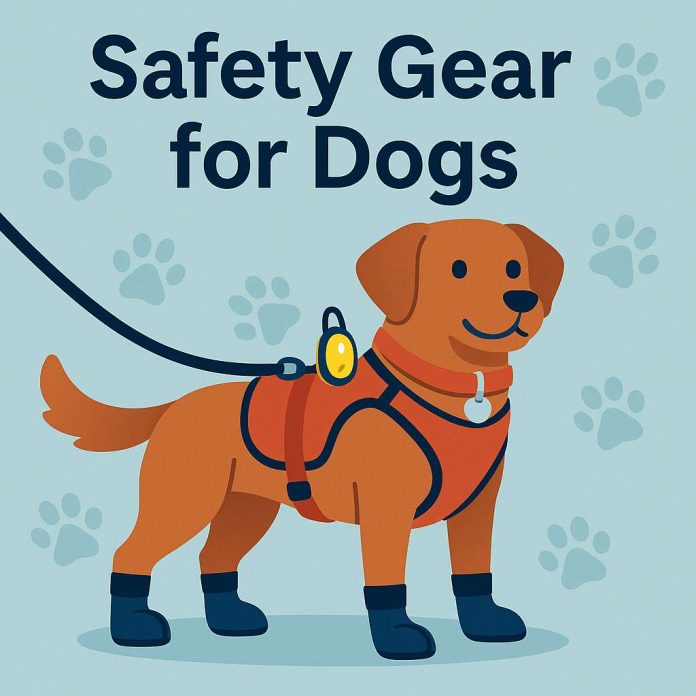
Good gear does not remove every risk. It gives you control when things go wrong. A harness protects the neck. Reflective strips and small lights help drivers see your dog. A car harness or crate keeps your dog from flying forward during a hard brake. A simple first aid kit lets you handle cuts and scrapes until you reach a vet.
The real goal is a daily habit. You want safety gear to feel as normal as putting on your own seat belt. Harness on, ID checked, restraint clipped, water packed. Then you can relax and enjoy the walk or the drive.
Core walking safety gear
1. No-pull walking harness
A well-fitted harness sits at the center of safe dog gear. A flat collar presses on the throat, which can strain the trachea and neck joints. A harness spreads the force over the chest and shoulders, so your dog can breathe and move more freely.
Front-clip harnesses help with pulling. Instead of letting your dog lean forward with full weight, the front ring gently turns the body back toward you. This gives better steering on busy streets and near traffic.
Look for a harness that:
- Has both front and back leash rings
- Uses wide padded straps over the chest
- Has strong metal hardware
- Includes reflective trim for low light
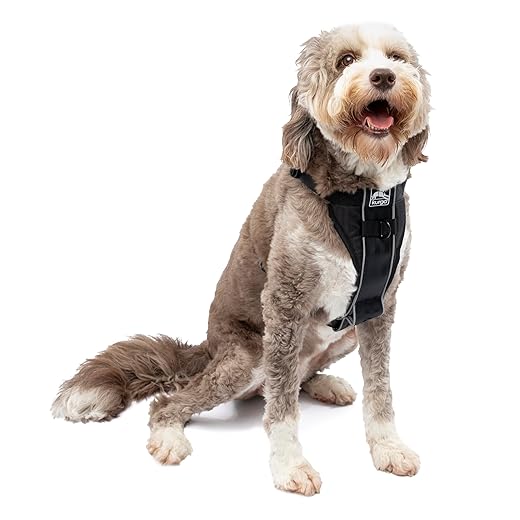
Measure your dog’s neck, chest, and weight, then match those numbers with the maker’s size chart. The harness should sit flat on the chest, with two fingers of space under each strap. Next, walk around the home for a few minutes and check for rubbing behind the front legs. Adjust again after a few weeks, since many dogs gain or lose a little weight over time.
2. Reflective collar with secure ID tag
Even with a harness, your dog still needs a collar. The collar carries the ID tag, which is often the fastest way home if your dog slips out of a door or a hand. Reflective stitching on the collar adds a bright outline in car headlights at night and in early mornings.
A good collar:
- Uses a sturdy buckle that stays closed
- Has reflective tape or thread in the webbing
- Leaves room for a tag with your phone number
- Has smooth, rounded edges that do not rub the neck
Set the collar tight enough so it does not slide over the head, yet loose enough so you can fit two fingers between collar and neck. Check the tag info any time you change your number or move to a new place. Microchipping adds another layer of safety and works well with visible tags.
3. LED collar light for dawn and night walks
Street lights create strange shadows, and dark dogs disappear near parked cars. A small LED clipped to the collar or harness helps drivers, cyclists, and joggers see your dog much earlier. That extra second often gives them enough time to slow down or change direction.
Useful traits:
- Carabiner clip for quick removal
- Steady and flashing modes
- Rechargeable or easy-to-replace batteries
- Water resistance for rain and puddles
Place the light in a spot where fur does not cover it. Then build a simple habit. Clip it on any time you step out in low light, just like you grab your own keys and phone.
4. Dog boots for hot pavement and rough trails
Paw pads look tough. They still burn on hot asphalt and crack on ice or sharp rock. City streets collect broken glass, metal, and road salt. Dog boots act like shoes and protect paws from heat, cold, and debris.
Good boots:
- Have rubber soles with real tread
- Use secure straps above the joint
- Allow the paw to flex in a natural way
- Come in sizes based on paw length and width
Start with very short sessions inside. Many dogs step high or freeze the first time they wear boots. Keep it light and fun with treats and praise. Then move to short outdoor walks once your dog walks calmly indoors. Over time, boots will signal “walk time” and feel normal.
Car and road trip safety gear
5. Crash-tested car harness
A regular harness with a clip-on seat belt strap can reduce roaming, yet it may fail in a real crash. A crash-tested car harness uses wide chest panels and heavy webbing. It links to the car’s belt system in a way that spreads sudden force across the body. This protects your dog and reduces the chance they hurt people in the car.
Look for a car harness that:
- Has clear crash test results from a trusted lab
- Uses a wide padded vest design
- Connects to the seat belt in more than one point
- Works on the back seat, not the front

First adjust the harness at home and check that the chest panel sits flat. Then follow the maker’s routing steps for the seat belt. Sit your dog, clip the belt through the loops or rings, and pull the belt snug. Start with a short drive around the block before taking a long trip.
6. Crash-rated travel crate
Some dogs feel safest in a crate. In that case a reinforced travel crate acts as a small safety cell in the car. Strong doors and rigid walls limit movement in sharp turns and hard stops. The crate also keeps the dog contained if a door opens after a collision or sudden stop.
A safer travel crate:
- Uses thick plastic or metal walls
- Has a door that locks in more than one place
- Bolts or straps down to cargo anchors
- Leaves space to stand, turn, and lie down
Place the crate on the back seat or in the cargo area. Then attach it firmly. A loose crate becomes a heavy box that can harm people and pets during a crash. Use the hardware or tie-down points from both the crate maker and your vehicle manual.
7. Seat belt tether that clips to a harness
For short drives with a solid walking harness, a seat belt tether is a simple upgrade. It connects the car’s belt or buckle to the back D-ring of the harness. This keeps your dog on the seat and makes it harder for them to climb into the front while you drive.
Pick a tether that:
- Has metal clips on both ends
- Adjusts for length
- Uses a swivel clip to reduce twisting
- Fits standard seat belt receivers
Clip the tether to a harness, not a collar. A sudden stop on a neck collar can injure the spine or airway. Place your dog on the rear bench and keep windows only partly open so they cannot lean out.
8. Back seat cover with hammock design
Dogs slide on smooth seats, and claws can scratch leather fast. A hammock-style back seat cover protects your car and adds safety at the same time. It stretches from the back seat to the front headrests and blocks the footwell gap. This simple shape helps prevent your dog from tumbling off the seat during braking.
Look for:
- Waterproof, quilted fabric
- Anchors that tuck into seat creases
- Adjustable straps for headrests
- Openings for seat belts and child-seat latches
Lay the cover flat, hook the straps around the headrests, and push the anchors into the seat gaps. Then pull the hammock section up behind the front seats and check that your dog cannot fall into the footwell.
9. Dog car ramp for large or senior dogs
Jumping in and out of a high car strains joints, especially in big breeds and older dogs. Over time those jumps add up. A folding ramp gives a gentle slope instead. This reduces stress on hips, knees, and backs.
Helpful ramp traits:
- Non-slip walking surface
- Raised side rails
- Folding design with a locking latch
- Weight rating above your dog’s weight
First place the ramp flat on the ground and walk your dog over it with treats. Then raise the angle bit by bit until it reaches car height. With practice your dog will treat the ramp as a normal entry path, not a strange object.
Outdoor and adventure safety gear
10. Dog life jacket for swimming and boating
Many dogs enjoy water. Lakes, rivers, pools, and the sea all look like fun to them. Strong swimmers still tire in waves, currents, or cold water. Short-legged breeds and flat-faced dogs struggle even faster. A dog life jacket adds floatation and keeps the head higher in the water. The grab handle lets you lift your dog into a boat or onto a dock quickly.
Good life jacket features:
- Bright color and reflective strips
- Adjustable chest and belly straps
- Secure buckles that lie flat
- Strong grab handle on the back

Fit the jacket snugly, then let your dog wear it dry around the home first. Move to shallow water where paws still touch the ground, and keep early sessions short. Over time your dog will link the jacket with fun water days.
11. GPS dog tracker with sturdy collar mount
Even careful owners face escape stories. A visitor leaves a gate open, or a loud sound spooks a dog on a walk. ID tags and microchips help after someone finds your dog. A GPS tracker adds live location, which helps you find your dog yourself.
Look for a tracker that:
- Uses reliable mobile or satellite networks
- Has a waterproof, shock-resistant housing
- Offers real-time tracking through a phone app
- Mounts tightly to a collar

Charge the tracker before hikes and trips, then test the app at home so you know how it works. Keep ID tag and microchip records current as well, since vets and shelters often rely on that information to reach you.
12. Portable dog water bottle and travel bowl
Dogs heat up fast on city walks, in cars, and on trails. Dehydration and heat stress creep up quietly, and some dogs hide discomfort. A small travel bottle with a built-in bowl makes fresh water easy at any time.
Good travel bottles:
- Lock shut to prevent leaks
- Let you use one hand while holding the leash
- Use food-grade materials
- Come apart for simple cleaning

Store the bottle near the leash and harness, then offer small sips often on warm days and during long walks. Short, frequent breaks support your dog better than one big drink at the end.
13. Cooling vest for hot weather walks
Dogs cool mostly through panting, not sweat. Thick coats and flat faces make that process harder. A cooling vest can give real relief on hot days. You soak the vest, wring it out, and the fabric pulls heat away as the water evaporates.
Choose a vest that:
- Covers the chest and back
- Fits under or over your harness
- Uses light colors that reflect sunlight
- Has wide adjustment at the sides
Wet the vest with cool water, then put it on just before heading out. Re-wet it once it dries during longer outings. Pair the vest with shade breaks and shorter midday walks for extra safety.
14. Compact dog first aid kit
Scrapes, cuts, and stings happen on trails, at dog parks, and even on sidewalks. A compact first aid kit lets you clean and bandage minor wounds, flush eyes, and support sprains until you reach a vet.
A handy kit contains:
- Gauze pads and rolls
- Non-stick dressings and adhesive tape
- Saline or sterile eye wash
- Pet-safe antiseptic wipes
- Tweezers and a tick remover
- Digital thermometer
- Soft muzzle or loop for safe handling
You can buy ready-made dog first aid kits or build your own. Check the kit every few months and replace expired items. Ask your vet which extra medicines or tools fit your dog’s health history. Keep one kit in the car and another at home near your walking gear.
Helping your dog accept new gear
Even calm dogs feel unsure about strange gear at first. A gentle, step-by-step plan makes a big difference and protects your bond at the same time.
Try this simple method:
- Show and reward. Let your dog sniff the new harness or boots, then give a treat.
- Short contact. Touch the gear to your dog’s body, then reward again. Keep these moments brief.
- Partial wear. Put the harness or vest on indoors for a minute, then remove it and play a short game.
- Move a little. Ask for a few steps, then reward. Repeat in different rooms and in the yard.
- Real use. Use the gear on a short walk or drive, then end with a snack or favorite toy.
If you just brought home a new dog, calm structure matters even more. New smells, new rules, and new people can feel overwhelming. For that side of things, you can read this clear guide on the 3-3-3 method for dogs and pair those steps with the safety gear you choose.
Quick safety checklists
Before every walk
- Harness fits well and does not rub
- Collar and tag on, details current
- Leash clip fully closed
- LED light ready for low-light walks
- Boots packed or on for hot, icy, or rough ground
- Poop bags, water, and treats in your bag
Before every drive
- Dog rides on the back seat or in a secured crate
- Crash-tested harness or crate attached as the maker shows
- Seat belt tether clipped to harness, not collar
- Back seat cover in place, footwell gap blocked
- Ramp ready for large or senior dogs
- Water bottle within reach, car kept cool and ventilated
Before outdoor adventures
- Life jacket on near deep or moving water
- GPS tracker charged and app tested
- Cooling vest ready for warm hours
- First aid kit packed in the car or backpack
- Planned rest stops during long drives
Final thoughts on safety gear for dogs
Safe walks and road trips grow from small daily habits. A good harness, a bright collar, and a real car restraint already cut many risks. Extra pieces like boots, life jackets, GPS trackers, cooling vests, and first aid kits then fill in the gaps for special plans.
Start with the gear that suits your dog’s life right now. City dogs gain the most from visibility gear and paw protection. Adventure dogs need strong car setups and outdoor gear sooner. Step by step you will build a kit that feels natural to use every day.
Your dog depends on you in busy streets and fast traffic. The time and care you put into safety gear turn into more relaxed walks, calmer trips, and many more miles together.