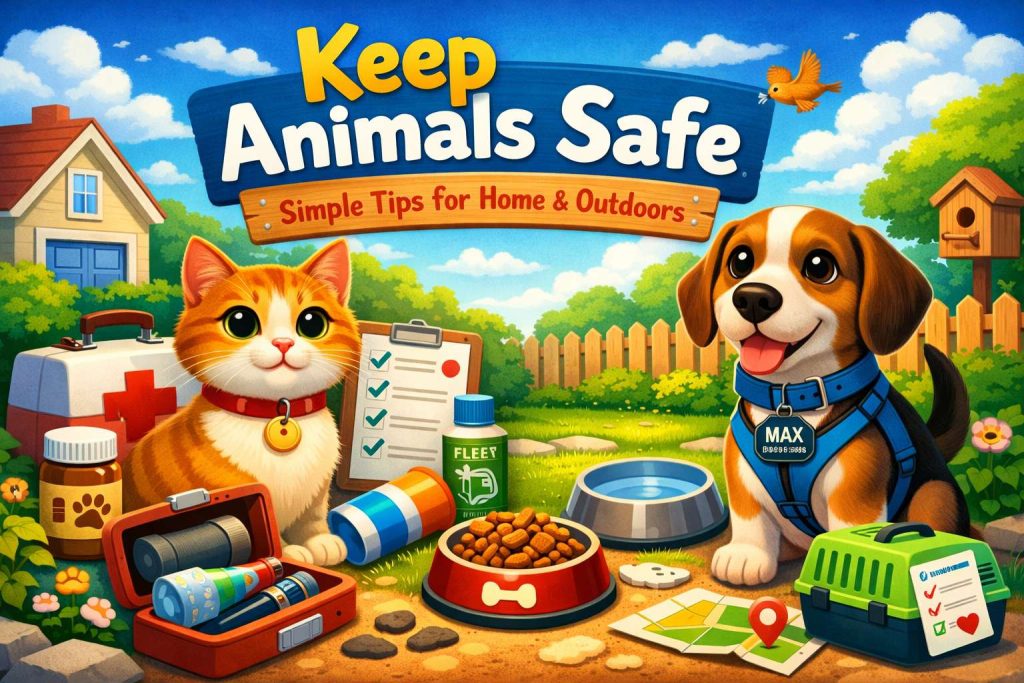
Keeping animals safe rarely takes fancy gear. It takes small habits that you repeat, and a home that removes the worst risks. So think of this guide as a short reset. You can pick one step today, then stack the next one tomorrow.
1) Stick to a basic health routine
Health care prevents a lot of scary moments. So start with a simple schedule that you can follow even on busy weeks.
Set up these habits:
- Book regular vet checkups, then keep the next date in your calendar.
- Follow a vaccine plan your vet recommends for your area.
- Use flea, tick, and worm protection that matches the animal’s species and weight.
- Track dental care. Bad teeth often hide behind normal eating.
- Keep a small medical note on your phone. Add meds, allergies, and past issues.
Then do one extra thing that pays off fast. Take a clear photo of your pet every season. You will spot weight changes, coat issues, or new lumps sooner.
2) Remove the most common home hazards
Most accidents happen at home. So you get a big safety win by cleaning up the usual dangers.
Lock up poisons and risky items
Start with the obvious ones:
- Store medicines in closed cabinets.
- Keep cleaners, pesticides, and antifreeze sealed and out of reach.
- Cover trash bins or place them behind a door.
- Pick up tiny objects from the floor. Coins, batteries, and hair ties cause choking and bowel blocks.
Next, scan the kitchen. Keep chocolate, xylitol sweeteners, grapes, raisins, onions, and garlic far from pets. Then watch cooked bones too. They splinter, and they cause emergencies.
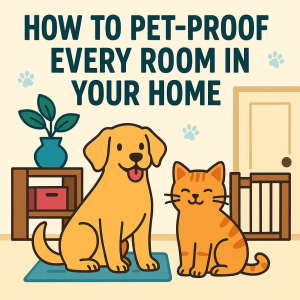
If you want a room by room checklist that feels real and not fussy, use this guide: pet proof every room in your home. It helps you catch the stuff you stop noticing, like loose cords, open laundry, and wobbling shelves.
Make the space calm and safe
After you remove hazards, set up comfort. Stress leads to mistakes, and mistakes lead to injuries.
- Give a quiet rest area away from heavy foot traffic.
- Keep fresh water available all day.
- Block unsafe rooms with a baby gate.
- Check houseplants. Some plants irritate pets, and lilies can be deadly for cats.
3) Use strong ID and safer outdoor habits
Even careful homes have slip ups. So plan for the day a door stays open for two seconds too long.
Do these three things first:
- Microchip your pet, then register it.
- Add an ID tag to the collar with a working phone number.
- Update those details right away after a number change.
Next, tighten outdoor habits:
- Use a secure harness on walks. Many dogs back out of loose collars.
- Check fences and gates each week. Look for loose boards, weak latches, and digging spots.
- Stay close during yard time. Supervision beats shouting from the porch.
Now a quick reality check. Cats face high risks outdoors, like traffic, fights, and poisons. Indoor life lowers those risks fast. Then add window perches, short play sessions, and puzzle feeders so they stay busy.
4) Feed safely and keep water clean
Food safety is part of safety, full stop. So treat meals like a daily health check.
Start with the basics:
- Feed a diet made for the animal’s species and life stage.
- Measure portions with a scoop or kitchen scale.
- Wash bowls daily, then refresh water often.
Next, store food well:
- Keep dry food in an airtight container.
- Toss food that smells off, looks moldy, or sits in a damaged package.
Then keep treats simple. Use tiny pieces during training, and cut a bit from the meal portion to balance calories. That one habit helps joints, heart health, and heat tolerance.
One quick question. How do you spot dehydration early? Check gums and energy. Dry gums, sticky saliva, or sudden tiredness can be early signs, so add water breaks during play and walks.
5) Plan for emergencies and travel
Bad days happen. So a short plan saves time and cuts panic.
Build a basic emergency kit
Keep these items together in one spot:
- 3 days of food and drinking water
- Medications for 7 days
- Copies of vaccine dates and medical notes
- A sturdy carrier or crate
- A spare leash and waste bags
- Litter and a small tray for cats
- Paper towels, gloves, and basic first aid supplies
- A recent photo of your pet with a written description
Then practice one thing. Load your pet into the carrier on a calm day. Do it again next week. Practice turns it into a normal routine, not a wrestling match.
Make travel safer
Travel brings extra risks, so set rules before the trip starts:
- Use a crash tested crate or a seat belt harness made for pets.
- Plan water breaks and short stops.
- Never leave an animal in a parked car.
If travel is a big part of your year, this trend piece gives good context for planning and packing: pet travel trends for 2026. It matches what many families already feel. Pets go with them, so safety has to follow.
A quick checklist for today
Pick five minutes, then do these:
- Lock away medicines and cleaners
- Pick up small objects from floors
- Check collar fit and update the ID tag
- Refresh water and wash the bowl
- Start an emergency kit box in a closet
Small steps add up. So keep it simple, repeat it, and you will see the payoff in calmer days and fewer close calls.