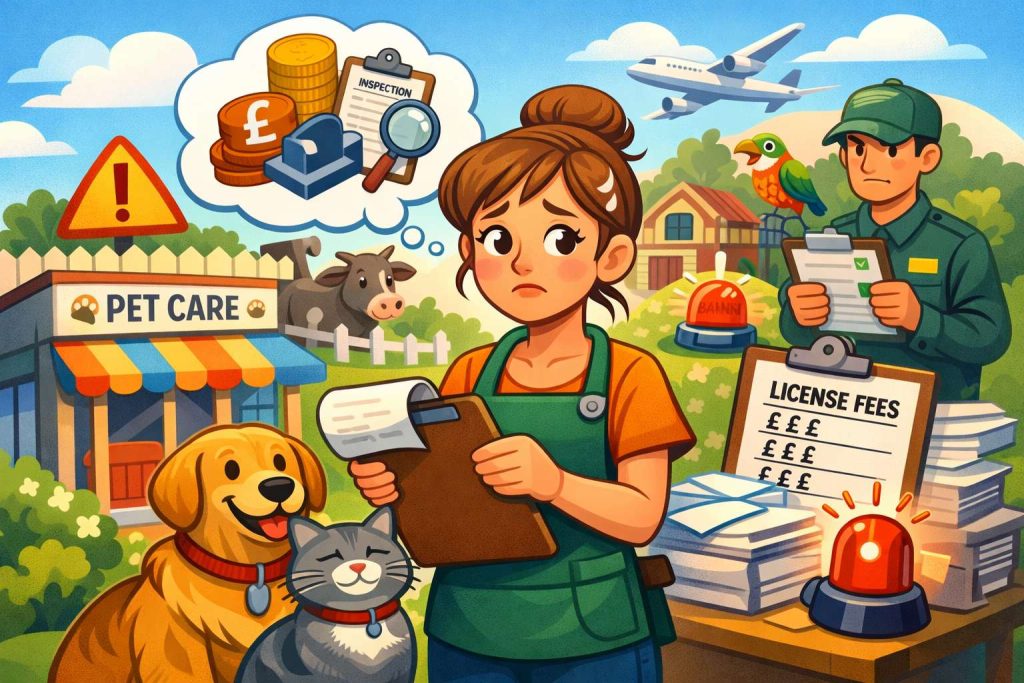
A Jersey pet care business, Spotted Wellies, has warned in a States Assembly scrutiny submission that the proposed licensing system under new animal welfare rules could place an unfair burden on small operators. It wants the licensing side to stay clear, affordable, and fair for them.
A lot of pet businesses on the Island are tiny. Many are one person setups. So a small cost increase can feel big. A new form or a new inspection can take time away from bookings. Then income drops, and prices go up for families.
What is changing, and why it matters
In March 2026 the States Assembly passed the Animal Welfare (Jersey) Law 2026. It has received Royal Assent and comes into force late in 2026 or in early 2027, and the 2004 law stays in force until then. The detailed rules come through Orders made by the Minister for the Environment, and those matter most day to day. They decide who must be licensed, what standards apply, how inspections run, and what fees look like.
That is why businesses want straight answers early. They need to plan pricing and capacity. They need to decide what services they can keep offering. And they need confidence that the system treats small and large operators differently.
What Jersey already licences today
Jersey already licences several animal related business activities. Dog and cat boarding is one. Pet grooming is another, including grooming from a private home or a mobile unit. Selling animals as pets can need a licence too. Breeding activity can fall under licensing rules as well, depending on scale.
Licences renew each year. So the cost is not only a startup cost. It is a recurring cost that businesses have to build into prices.
As of October 2026, the fees the Government of Jersey lists scale with size. For keeping, breeding or boarding premises with fewer than 10 animals, the first year costs £159.50 and each annual renewal £145.50. With 10 or more animals, the first year costs £240 and renewal £177. Grooming or sale premises, performance or exhibition, and sanctuaries pay £122.90 for the first year and £106 to renew.
There is one helpful detail for mixed services. A reduced fee can apply when more than one business activity needs a licence. That matters for small operators who do grooming plus short stays, or day care plus short term boarding.
Why small operators fear extra weight on their backs
The concern is not about welfare itself. The concern is how licensing gets designed.
If rules stay vague, businesses cannot plan. If fees rise without clear tiers, micro businesses pay like large sites. If inspections become frequent and repetitive, a one person business loses working hours fast. And if paperwork grows, care time shrinks, which helps nobody.
So the real test is proportionality. A home boarder with a few regular dogs does not carry the same risk as a large kennel. A dog walker with small groups does not operate like a high volume day care centre. The licensing model needs to reflect that.
What secondary rules can add
Secondary rules can expand in several directions. They can add traceability steps, such as tighter microchipping expectations for puppies and kittens before transfer at eight weeks. They can add new licensing tracks for people who keep certain exotic species. They can tighten import controls for practices seen as harmful, such as dogs with cropped ears or declawed cats, with limited exceptions.
They can cover animal transport too, such as limits on moving pregnant dogs and cats beyond a certain point in pregnancy. And they can add trade controls, such as restrictions on products made from cat or dog fur.
Those topics go beyond local pet sitting, yet they show a pattern. Once the licensing system grows, more areas can join it. So pet businesses want the Island to design the framework carefully from the start.
What a fair licensing model looks like
A good model starts with simple tiers. Lower risk services sit in a lower tier with lower fees and lighter checks. Higher risk settings sit in a higher tier with tighter standards and closer oversight.
Next, inspections should follow risk. Inspectors can focus on the biggest welfare risks first. Then responsible small operators do not face constant disruption for minor items.
Clear guidance matters just as much as inspections. Businesses need plain checklists for space, hygiene, supervision, exercise, emergency plans, and record keeping. They need examples that match real setups, including home based care.
Fees need to stay predictable too. A published fee schedule gives businesses a stable way to price services. Then families can budget, and care stays accessible.
A quick real world reminder
Rule changes often land on families at the same time as businesses. So clear communication helps everyone. If you want an example of how local rules can affect day to day dog ownership, read this update on new dog limits and what families need to do next.
The bottom line
Jersey can raise animal welfare standards and still keep good carers in business. So the next steps should focus on clarity, fair tiers, and inspections that match risk. Then animals get better protection, and owners keep real choices for safe care.