Pet industry economics in 2026 feels calmer in some places, yet more stressful in others. Owners still love their pets, so they keep showing up. Still, they shop with tighter plans, and they ask tougher questions at checkout. That shift changes what grows fast, what slows down, and where brands fight for margin.
A few years ago, many pet budgets stretched without much planning. Now, people track costs more closely. So they compare unit prices, they wait for promos, and they buy fewer “just for fun” extras. Then they put the savings toward care, food, and the stuff they truly use every week.
Ownership changes reshape demand
More homes keep pets, and the mix keeps shifting. Younger adults keep driving many of the choices. So you see more apartment friendly picks, and you see more small dogs and indoor cats in the conversation. Then the shopping list changes with them.
Smaller pets pull demand toward smaller pack sizes, lighter carriers, and compact beds. Multi pet homes push repeat buying, bigger bags, and bundle deals. Plus, online research plays a bigger role now. People read, compare, and then buy wherever price and delivery feel right.
Spending shifts from “nice extras” to care
Food stays the steadiest part of the budget. Owners rarely cut food quality first. Still, they change how they buy it. They move to larger bags, store brands, or scheduled deliveries. Then they watch price per kilo more than the brand story on the label.
Supplies feel more flexible. A new bed can wait. A fresh set of toys can wait. Even a fancy collar can sit in the cart for a week, then get removed.
Care does not feel flexible in the same way. When a pet feels sick, a visit happens. When pain shows up, owners act fast. So the “care” slice of spending keeps weight in 2026, even when people cut back on extras.
Prices cool for products, yet services stay expensive
Many owners feel less price shock in pet aisles than they did during the biggest inflation waves. Deals feel more common now. Private label lines feel stronger, too. So the product side of the market looks steadier.
Services feel different. Grooming, boarding, and training rates still feel high. Vet bills often rise faster than most pet products, and owners notice right away. Then they start making tradeoffs.
They do more grooming at home. They space out non urgent visits. They ask for itemized estimates before work begins. So the buying pattern shifts again, and it pushes the market toward value and clarity.
Insurance turns into a normal line item
Pet insurance keeps moving into the “planned expense” category for many homes. People talk about deductibles and caps more often. They compare plans, and they do it earlier than before. Then the clinic visit changes a bit.
Invoices get more detailed. Paperwork takes more time. Owners ask for records and clear notes. Still, coverage can reduce the fear around big bills, so some people follow through on care sooner. That matters in 2026, since care costs can swing a household budget fast.
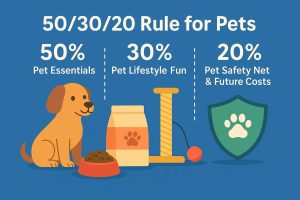
If you want a simple way to plan pet spending without making it feel heavy, this guide helps: the 50-30-20 pet budget rule. It lays out a clear split that many owners can stick to, and it keeps surprises smaller.
Adoption patterns change what sells
Shelters and rescues still place huge numbers of pets. Yet the mix can shift by size and age, and that affects shopping trends. Bigger dogs drive bigger food bags, tougher leashes, and higher boarding costs. Smaller dogs push carriers, grooming demand, and smaller portion options.
Cats bring their own patterns. Litter and routine care stay steady. Then seasonal kitten waves can spike demand for basics in short bursts. So retailers watch the mix closely, not just total unit sales.
What the rebalance means for 2026
So what does this mean for 2026? It means owners stay loyal to their pets, yet they buy with more intention. Brands win when value is clear. Clinics win when pricing feels predictable. Service businesses win when booking feels simple and upfront.
Convenience matters, so subscriptions and bundle pricing keep growing. Trust matters, so clear ingredients and clear return policies beat vague claims. Then repeat buying becomes the real goal, not one big splashy purchase.
The story stays pretty human. People still care deeply. They still spend. Yet they want fewer surprises, and they want choices that feel fair. That is the new center of pet industry economics in 2026.