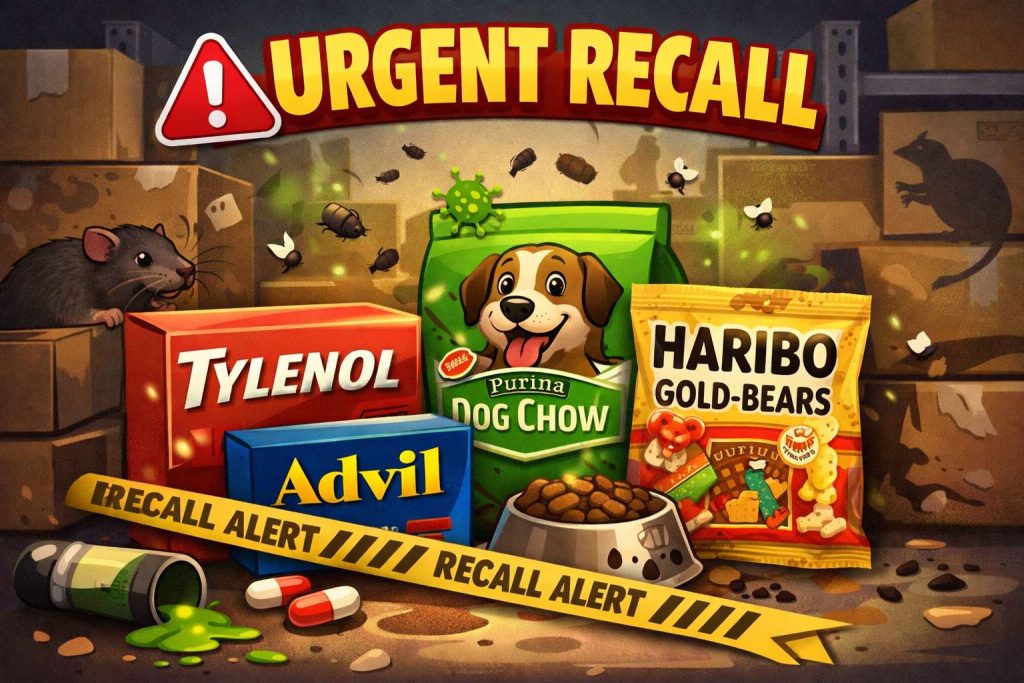
If you have a busy home, you probably keep a few basics within reach. So you keep pain relief on a shelf. Then you keep candy in a drawer. Plus you keep pet food in a bin. Now, a recall posted by the FDA says some of these everyday products may have been stored in unsafe conditions at one Minneapolis distribution warehouse.
The recall comes from Gold Star Distribution, Inc., a Minneapolis distributor, not from the brands that make these products. It covers every FDA-regulated product held at the company’s facility, and the FDA posted the notice on December 26, 2025. The notice describes rodent excreta, rodent urine, and bird droppings in areas where regulated products were stored. For that reason, the notice warns of a possible contamination risk, including Salmonella. The notice also mentions leptospirosis risk tied to rodent contamination. No illnesses had been reported when it was posted.
This can feel unsettling, yet it helps to pin down what the notice actually says. The concern centers on storage and handling at a facility. So the issue is not a claim that every item from these brands is unsafe. Still, you should take the recall seriously and check what you have at home.
What started the recall
The notice points to pests and filth inside storage areas. That matters since germs can spread from contaminated waste to surfaces. Then hands can pick up germs from packaging. After that, germs can move to kitchen counters, pantry shelves, and food prep tools.
The recall covers many FDA regulated categories. So it spans drugs, foods, pet foods, medical devices, cosmetics, and dietary supplements. Products shipped straight to stores, such as frozen and refrigerated items, are not part of it. The product list is long, and it includes many pack sizes and display formats. For that reason, a quick glance at a brand name is not enough.
Examples of items listed
The posted list contains entries that include products labeled under these well known names:
- Tylenol pain relievers in small package formats listed for retail display
- Advil and Advil PM entries in small package formats listed for retail display
- Haribo bagged candies in several varieties
- Purina branded dog and cat food items in multiple formulas
Next, focus on the details that match your item. Look at the exact name on the package. Then check the pack size and any display wording. After that, compare it with the recall list.
Where the recalled products were sent
The notice lists distribution to stores in three states: Minnesota, Indiana, and North Dakota. Many locations listed are in Minnesota. So if you bought these items in those states, double check your pantry, your medicine cabinet, and your pet supplies.
Do you need to throw out every Tylenol bottle you own. No. You only need to act on items that match the recall list details, including the specific product entry and packaging description.
Still, shopping and travel can blur the lines. So if you visited family, brought snacks to an event, or picked up pet food on a trip, check those items too.
What to do if you find a match
Stop using the item right away. Then keep it away from food prep areas and pet bowls. Next, place it in a sealed bag for disposal, and wash your hands after handling it.
Do not donate recalled items. Do not give them away. Instead, dispose of them so no one else uses them by accident. The notice asks for the products to be destroyed as soon as possible, with the destruction confirmed on a receipt sent to Gold Star, which issues refunds on request. It also says the products should not be shipped back to Gold Star under any circumstances.
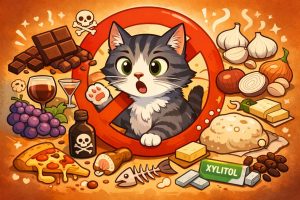
If you are already clearing out shelves, it is a good time to scan for other hidden risks in the kitchen. For cat homes, this quick guide helps you spot common hazards fast: foods cats should never eat.
Symptoms mentioned in the recall notice
The notice warns about Salmonella infection risk. Salmonella can cause severe illness in young children, older adults, pregnant people, and people with weakened immune systems. Symptoms often include fever, diarrhea, nausea, vomiting, and stomach pain.
The notice also mentions leptospirosis risk tied to rodent contamination. Pets can get sick after contact with contaminated products. Then people can get sick after handling contaminated items and touching the mouth, eyes, or broken skin.
If you feel unwell after possible exposure, contact a medical professional. If your pet seems unwell after eating a recalled pet food item, contact a veterinarian.
A simple cleanup plan that helps
Treat this like a careful pantry reset. First, remove any matched items and seal them for disposal. Next, wipe the shelf where the item sat, using hot soapy water. Then dry the surface fully. After that, wash your hands again.
This recall list is large, yet the next step is simple. Check what you have. Then act fast if you find a match. That small habit can reduce risk for you and your family.