
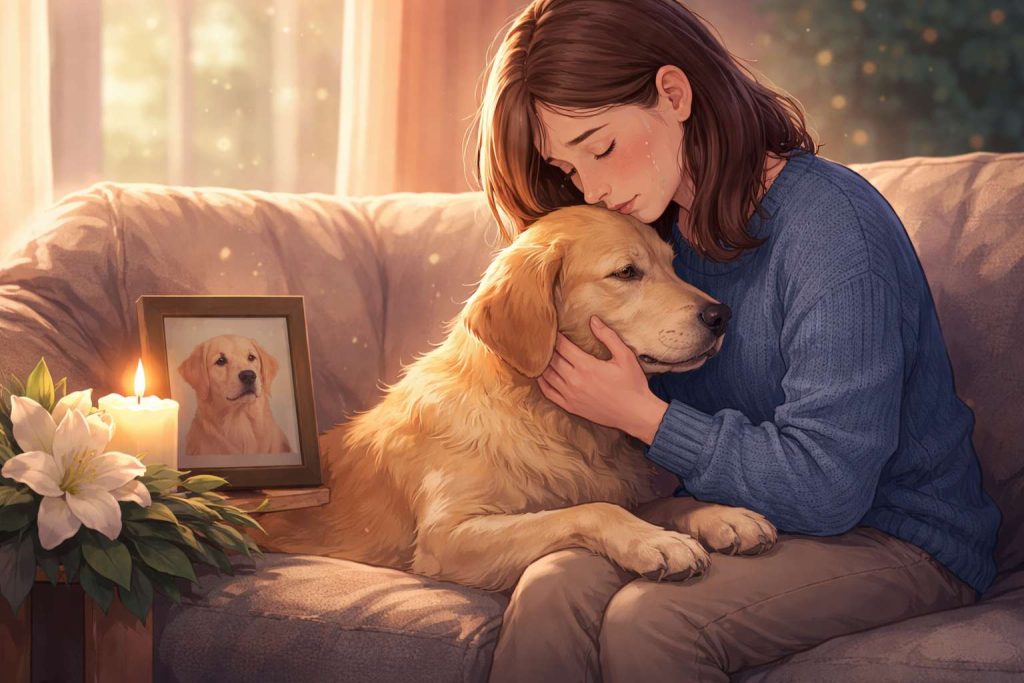
For many people, a pet is not “just an animal.” A dog or cat sits beside you on the rough days. It greets you on the bright days. It becomes part of the rhythm of your home, from morning walks to quiet evenings on the couch.
So when that pet dies, the pain can land like a shock. And for some owners, it does not fade quickly.
A large survey published in PLOS One looked at how people cope after loss. It compared human bereavement and pet bereavement, and the findings felt familiar to anyone who has loved an animal deeply. Many respondents described pet grief as intense, long lasting, and hard to explain to others.
What the survey found, in simple terms
The researchers surveyed 975 adults in the UK and asked about grief experiences. Some people had lost a family member or close person. Others had lost a pet. Many had been through both.
A clear pattern showed up.
A meaningful share of participants said the death of a pet felt as painful as losing a close human relative. And in some cases, the pet loss felt worse.
The study used recognized screening rules for prolonged grief disorder. That is a form of grief that stays severe and starts to disrupt daily life. Around 7.5% of people grieving a pet matched the threshold for probable prolonged grief disorder. That is not a tiny number. It means real people can struggle for months, or longer, after a pet dies.
Why pet grief can hit so hard
Pet bonds form through daily life. You feed them, clean up after them, and take them outside. Then you repeat that pattern for years. Over time, your brain treats that animal as part of your safe zone.
And it goes deeper than routines.
Pets are physically close. They sleep near you. They lean into your hand. They sit beside you when you feel low, and they do not ask you to explain why. That steady presence builds trust, and trust builds attachment.
So when the pet is gone, the loss shows up everywhere. The house sounds different. The morning feels empty. Even small things, like opening a bag of treats, can bring a punch of sadness.
So what makes the pain feel so sharp? It is the mix of love, habit, and silence, all hitting at once.
The grief often comes with guilt
Pet grief often carries guilt in a way that surprises people.
Many pets die after illness, and owners face hard choices. Some people approve euthanasia, even when the vet says it is kind. Yet the mind can replay the moment again and again.
You might catch yourself thinking:
Did I wait too long.
Did I act too soon.
Did I miss something.
Did I do enough.
That mental loop drains you. And it can make grief feel heavier, not just sad.
Why pet grief can feel lonely
Pet grief can feel isolating, and not only because the animal is gone.
Some friends and coworkers respond with kindness at first. Then the support fades fast. And some people hear comments that shrink the loss down, like it should be easy to “move on.”
That mismatch can create shame. Then the owner stops talking, even when they still hurt every day.
In many cases, the grief is real, but the room does not make space for it. That gap makes the pain louder.
When grief starts to take over daily life
Most grief changes over time. It does not vanish, but it softens. Then life slowly returns to normal.
Still, some people feel stuck.
Prolonged grief disorder can include strong longing, trouble accepting the loss, and a feeling that life lost its shape. It can affect sleep, focus, appetite, and work. And it can bring avoidance too, like refusing to walk the old route or avoiding photos for months.
This survey suggests pet loss can follow that same path for a portion of owners. So the grief is not “less serious” just because the loved one had four legs.
What helps in the first days after a pet dies
Grief has no clean schedule. Yet there are small steps that can make the early days more manageable.
Name the loss clearly.
Say it out loud. “My pet died, and I’m grieving.” It sounds simple, but it helps your brain accept what happened.
Create a small goodbye ritual.
Keep it personal. A photo on a shelf, a letter, a candle, or planting something outside can help. It gives your mind a moment of closure.
Replace the missing routine with a gentle one.
The day can feel empty when feeding times and walks disappear. So add a new anchor. A short walk at the same hour can calm your body, even if it feels strange at first.
Talk to one person who takes it seriously.
One good listener can beat ten people who brush it off. Pet grief support groups can help too, and online spaces can feel safer on tough nights.
Let memories return in small pieces.
At first, photos can feel unbearable. Then you might feel guilty for avoiding them. Take it slow. Start with one memory that feels warm, and sit with it for a minute.
When it makes sense to get extra support
There is a difference between grief and getting overwhelmed.
If you cannot sleep for weeks, if you stop eating, or if you cannot function at work, extra support can help. The same goes for constant panic, nonstop guilt thoughts, or feeling trapped in the pain.
A therapist who understands grief can guide you through it step by step. That support does not erase love. It helps you carry love in a way that lets you live again.
How caring for a pet’s health can shape grief too
Many owners carry a quiet fear during the final years of a pet’s life. You watch weight, appetite, movement, and energy. You track vet visits, and you second guess every small change.
That stress can add layers to grief later. It can even feed that guilt loop.
So pet health topics matter, not just for the animal’s comfort, but for the owner’s peace of mind too. For example, if you have an overweight cat and you’re watching the risks build over time, you might find this helpful: a new vet trial is testing a 6-month weight-loss implant for cats. It shows where research is heading, and it explains the idea in plain language.
What this survey changes for pet owners
This research gives people permission to stop minimizing their own grief.
If your pet died and you feel wrecked, your response makes sense. If you still cry months later, that can be normal too. And if you feel stuck and cannot function, you are not alone.
Pet grief is real grief. It deserves respect, support, and time.
Sometimes the strongest love comes with the quietest goodbye. And that hurts, even when nobody else sees it.