A dog harness should feel good on your dog, and it should give you steady control on every walk. That is the goal. Still, a lot of harnesses miss the mark. Some rub behind the legs. Some slide up into the throat. Others twist and pull to one side.
That’s why many vets often suggest a harness for daily walks, especially for dogs that pull or cough on leash. A harness spreads leash pressure across the chest and body, so your dog avoids that sharp tug on the neck area. Plus, a good harness can help you guide your dog with less drama at the end of the leash.
So, which dog harness do vets recommend most? Most vets do not point to one single brand. Instead, they focus on fit, comfort, safety, and the right leash clip style for your dog’s habits.
This guide breaks it down in a simple way, so you can choose with confidence.
Why many vets prefer harnesses for everyday walks
A collar works fine for ID tags and calm dogs. Yet many dogs pull at least sometimes. Your dog sees a cat. Your dog hears a noise. Then your dog lunges. That quick snap can hit the throat area hard, and some dogs start coughing right away.
A harness gives you a safer setup for those moments. It sits on the body, not the neck, and that usually feels better for your dog. At the same time, it helps you stay in control without turning the walk into a tug-of-war.
Do all dogs need a harness? Not always. Still, most dogs do better with one, and many owners feel the difference on day one.
The 9 harness features vets usually like
When people ask about vet-recommended harnesses, the answer often comes down to design details. So, use this checklist when you shop.
1) A Y-shaped front, not a straight strap across the chest
A Y-front harness sits neatly on the chest and leaves the shoulders free. Your dog can take a normal stride, so walking looks smooth and natural.
A straight strap across the front can block shoulder movement. Over time, that can lead to an awkward gait and sore spots.
2) Strong adjustment points, not a “one-size” fit
Look for at least three adjustment points. Four feels even better. You want the harness to fit your dog’s shape, not force your dog to fit the harness.
This matters a lot for deep-chested dogs, long-bodied dogs, and pups that fall between sizes.
3) Two leash clip options, front and back
This one is huge.
- Front clip: helps manage pulling since it turns the body back toward you
- Back clip: feels natural for calm walkers and relaxed sniff walks
Many dogs start with the front clip. Then they move to the back clip once leash manners improve.
4) Comfortable padding in the right spots
Padding should protect the chest and the strap edges. It should not feel bulky. It should not trap heat. It also should not press into the armpits.
A harness can look “soft” in photos, yet still rub in real life. So, always check the inner seams and edges.
5) Solid buckles, not Velcro-only designs
Velcro can wear out, and dirt can mess with grip. A safe harness should have a reliable buckle system. Even better, it should lock in place without slipping.
6) A back handle for quick control
A top handle helps you guide your dog around hazards. It also helps in crowded places. Plus, it gives you an easy way to lift or steady a senior dog for a second.
This feature feels extra useful on medium and large dogs.
7) Escape resistance for dogs that slip out
Some dogs can reverse out of a standard harness fast. Fearful dogs often do this. Skinny breeds do it too.
For those dogs, look for:
- a second belly strap (a “three-strap” harness)
- a longer body design
- a snug waist fit that still feels comfortable
8) Reflective details for low light
Reflective trim helps cars and bikes spot your dog sooner. It is a small upgrade, yet it adds real safety value. If you walk at dawn or night, it matters even more.
9) Strong stitching and easy cleaning
Harnesses get dirty fast. Mud happens. Wet grass happens. So pick a harness you can rinse and wash without stress.
Also, check the stitching near the leash ring. That area takes the most force.
Front-clip vs back-clip: what should you pick?
This question comes up all the time. So here is the simple rule.
If your dog pulls, start with a front-clip harness.
It gives you steering and control, and it often reduces pulling over time.
If your dog walks calmly, a back-clip harness works great.
It feels smooth, and it keeps things simple.
Do you need both clips? Yes, many owners do. You can swap based on the walk and your dog’s mood that day.
The harness types vets often approve
Most vet-approved harnesses fit into a few main categories. Each one fits a different kind of dog.
Everyday walking harness (the best all-around choice)
This is the classic Y-front harness with padding, good adjustability, and two clip points.
Best for: most dogs, daily walks, basic leash training
Step-in harness
Your dog steps into it, and you buckle it on the back. This style works well for dogs that dislike gear going over the head.
Fit matters a lot here, so measure carefully and adjust snugly.
Best for: small calm dogs, dogs that hate overhead straps
Vest-style harness
These can feel soft and cozy. Some fit well. Others run hot or limit movement.
Best for: small dogs and short walks
Watch for: heavy padding and stiff chest panels
Escape-proof harness (three-strap design)
This adds a second strap behind the ribcage, which makes backing out much harder.
Best for: fearful dogs, rescues, skinny dogs, escape artists
Head halter (special case)
A head halter can help strong pullers, since it guides the head and reduces force. Still, it needs slow training and careful handling.
Best for: large dogs with big pulling habits
Not great for: dogs that panic with face gear
How to fit a dog harness the vet-friendly way
A good fit changes everything. A poor fit ruins even the best harness. So take a few minutes to do it right.
Step 1: Measure your dog
Use a soft tape measure.
- Chest girth: around the widest part of the ribcage, right behind the front legs
- Lower neck: around the base of the neck, not the collar spot
Start with chest girth for sizing. Then confirm the neck range.
Step 2: Put it on and line it up
- The front panel should sit on the chest, not the throat.
- The straps should sit away from the armpits.
- The back ring should stay centered, not pulled to one side.
Step 3: Use the two-finger fit check
Slide two fingers under each strap. You want snug contact without squeezing. The harness should not swing or slide around.
A loose harness leads to rubbing. It also makes escapes easier.
Step 4: Check movement
Let your dog walk a few steps inside. Watch for:
- free shoulder movement
- no digging behind the legs
- no twisting on the back
If the harness shifts during a short walk, adjust again.
Step 5: Do a quick back-out test
Hold the leash gently and let your dog step backward. The harness should stay in place. If it slides toward the head, tighten it or switch to a more secure design.
Common harness problems, and simple fixes
The harness rides up toward the throat
This often happens when the neck area sits too loose. It can also happen when the chest strap sits too high. Tighten the neck setting slightly, and move the harness lower on the chest.
Chafing behind the front legs
This usually means the harness sits too close to the armpits. It can also mean the size runs too large. Try a smaller size or a longer chest panel.
Your dog freezes and refuses to walk
Some dogs need time to accept new gear. Start with short sessions at home. Give treats. Keep the mood light. Then take a short walk and end on a good note.
Your dog backs out of the harness
Switch to an escape-proof harness with three straps. A second belly strap can change everything.
Pulling gets worse
Some dogs lean into pressure and pull harder. Use the front clip. Then reward calm steps next to you. Stop when your dog hits the end of the leash. Then reset and try again.
Best harness picks by dog type
Puppies
Puppies grow fast, so adjust the harness often. A lightweight harness with multiple adjustment points works best. Recheck fit every week, and keep sessions short and positive.
Small dogs
Small dogs often have sensitive throats, so a harness helps a lot. Look for a snug chest fit and soft edges. Also, pick a harness that feels stable, not floppy.
Short-nose breeds (Frenchie, Pug, Boston Terrier)
These dogs can struggle with airflow during excitement. A harness helps keep pressure off the neck area. Choose wide, soft chest support, and keep the fit comfortable and steady.
Seniors
Older dogs can feel stiff or sore. Choose a harness with padding and easy buckles. A top handle helps too, since you can guide them at curbs or steps.
Strong pullers
Use a sturdy harness with a front clip and strong stitching. Then pair it with steady training. The gear helps, and your routine matters just as much.
Dogs with sensitive skin
Smooth straps and soft edges matter most here. Check the skin after each walk for the first week. If you see redness, adjust right away or try a different shape.
Safety gear that pairs well with a harness
A harness is a strong start. Still, a few extra items can make walks safer and calmer.
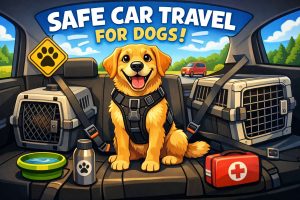
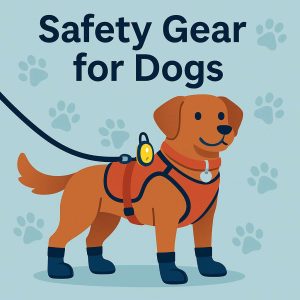
If you want a full checklist, check this guide: 14 must-have safety gear items every dog needs for walks and road trips.
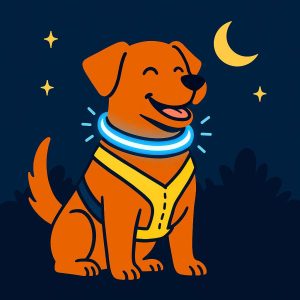
Night walks need extra care too. Reflective straps help, and lights help even more. This list covers great options: 10 best reflective and LED dog collars and harnesses to keep your dog safe at night.
How long does a good dog harness last?
Most harnesses last 6 to 24 months, depending on use and build quality. Heavy pullers wear gear faster. Rain and mud wear it down too.
Replace your harness if you see:
- fraying straps
- loose stitching near the leash ring
- cracked buckles
- rubbing spots on your dog
Wash it often, since grit can rub the skin and cause irritation.
Quick buying checklist you can use in 30 seconds
Before you buy, check these points:
- Y-front shape for free shoulder movement
- 3 to 4 adjustment points
- front clip and back clip
- padded chest and smooth edges
- solid buckles and strong stitching
- handle on top for medium and large dogs
- reflective trim for low-light walks
- escape-proof design for dogs that slip out
If your harness hits these basics and fits well, it lands in the vet-recommended zone.