Australia is talking about dog attacks again, and this time the numbers are hard to brush off. Hospitals are seeing more people come in with bite injuries. Councils are getting more complaints. Families are feeling less relaxed at parks and on footpaths.
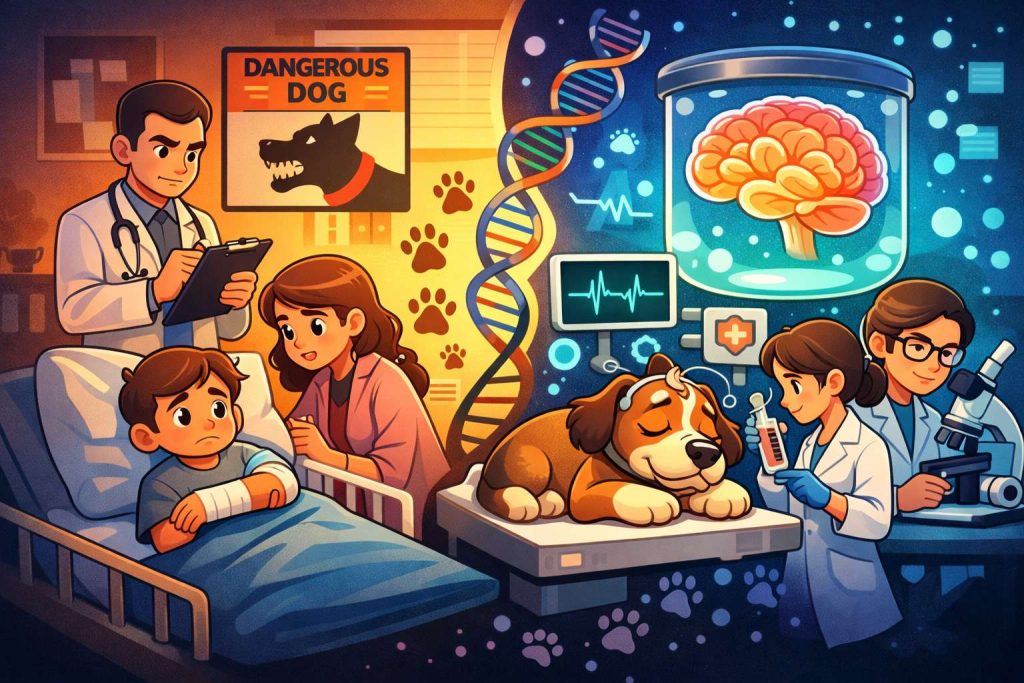
So a new idea is starting to get real attention in research circles. Australian scientists want a national canine brain bank, built to study what happens inside the brain when a dog shows dangerous, impulsive aggression. The goal is pretty direct. Learn the biology behind the behaviour, connect it to genetics, and then spot higher risk earlier.
Dog attacks are rising, and most action starts after someone gets hurt
A dog attack does not only mean a small nip. Many bites lead to stitches, surgery, infections, and long recovery periods. Some leave deep scars, both physical and emotional.
National injury tracking has shown dog-related hospital admissions rising strongly over time. In fact, reports across recent years point to a clear upward trend in bite-related emergency care and admissions. Then there is the everyday reality too. People are seeing more warnings in local groups, more ranger call-outs, and more “keep your dog on a leash” arguments on the street.
States are pushing back with tougher rules, so the legal side is shifting too. South Australia, for example, introduced much higher fines in late 2025. Those penalties can reach A$25,000 when a dog attacks and seriously injures or kills a person or another animal.
Still, penalties and enforcement only kick in after harm happens. That is the gap this new proposal wants to close. It focuses on prevention, not just punishment.
Breed labels keep letting people down
After a serious attack, one question shows up fast. “What breed was it?”
That sounds logical, yet it often turns into a dead end. Mixed ancestry is common. Paperwork is inconsistent. Visual identification can be wrong, even for experienced staff. So the story gets messy, and blame lands on whatever the dog looks like in a photo.
Yet behaviour is rarely that simple. Two dogs that look similar can act very differently. Then two dogs that look nothing alike can share the same risky traits. So researchers want to stop using appearance as the main clue. Instead, they want to study the brain systems that control fear, impulse, and stress reactions.
What a canine brain bank really means
A canine brain bank is a national collection of dog brain tissue, stored and studied using the same standards across labs. Researchers can compare tissue from dogs euthanised for severe aggression with tissue from dogs that did not show that behaviour.
So what do they look for? They look for patterns that repeat.
They might examine brain regions linked to impulse control and threat response. They might measure how certain receptors behave, or how signals travel in circuits tied to emotion regulation. Then, over time, they build a clearer map of what “high risk aggression biology” looks like.
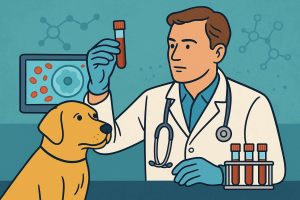
This matters for the next step. Once scientists link brain patterns to genetic markers, vets may be able to screen living dogs with a simple test. A blood sample could one day flag higher risk traits, long before the dog ends up in a dangerous incident.
Yet the goal is not mind-reading. It is not about guessing if a dog will bite tomorrow. It is about spotting risk earlier, so owners and professionals can manage it with better tools.
Behaviour tests help, yet they can miss what happens later
Shelters already do a lot. Staff run behaviour checks. They watch how a dog responds to touch, food, noise, strange people, and busy environments. Those tests help place dogs safely, and they help avoid bad matches.
Still, behaviour checks have limits. Stress changes from day to day. Triggers can appear out of nowhere. A dog can seem calm in a quiet room, then panic in a crowded park. So some dogs look “fine” in one context, yet struggle badly in another.
At the same time, many owners do not spot the warning signs early. They may miss stiff posture, lip licking, “whale eye,” or subtle guarding behaviour. Then the first big signal is the bite itself, and that is the worst time to learn.
This is where biology could add another layer. A genetic risk tool would not replace training or observation. It would simply add another piece of the puzzle.
What prevention could look like in real life
If a national brain bank leads to reliable markers, the practical impact could be huge. It could help shelters, vets, trainers, and councils make smarter calls earlier.
For example, a dog with a great temperament score but higher genetic risk markers might need extra support from day one. So the shelter could place that dog with an experienced home, not a first-time owner with small kids.
Then there are dogs that get judged unfairly. A dog that “looks scary” might show low risk markers and stable behaviour. So it could get a fairer assessment, and a better chance at adoption.
Plus, councils could focus education where it matters most. They could push stronger messaging in high-risk situations, like off-leash areas, unfenced yards, and multi-dog households with poor supervision.
Breeders could benefit too. They could avoid pairing dogs that carry the same risk traits, and that could lower risk over time.
So the end result is not just “more science.” It is fewer surprise incidents, fewer seizures, fewer destroyed dogs, and fewer traumatised families.
Genes matter, yet they are not destiny
Genetics can load the dice. Even so, they do not force the outcome.
A dog’s daily life shapes behaviour in powerful ways. Early socialisation matters. Safe handling matters. Training style matters. Routine matters. Owner experience matters. Supervision matters.
Neglect can turn a calm dog into a risky one. Poor boundaries can make a dog anxious and reactive. Then rough handling can push fear into aggression. On the flip side, stable routines and good training can help a higher-risk dog stay safe and predictable.
So a genetic flag should never be used as a simple yes-or-no label. It should be used as a guide for management. It should help people act earlier and choose safer environments.
This idea links to a bigger safety picture
Dog attack prevention is not one single fix. It is a stack of small fixes that work together.
Secure fences and gates matter. Leash habits matter. Muzzle training for reactive dogs matters. Early vet checks matter. Honest reporting matters. Clear council response systems matter.
Then there is another part people forget. Financial stress can make safety harder. Vet care gets delayed. Training gets skipped. Even basic needs can slip when money gets tight.
If you want to support pet owners during rough patches, take a look at how pet food banks can keep pets at home and reduce crisis surrenders. That kind of support may not sound like “dog attack prevention,” yet it can lower stress in homes, and stress plays a real role in behaviour.
What happens next if Australia builds one
A national brain bank needs structure. It needs ethical consent systems. It needs partnerships with vets and shelters. It needs secure storage. It needs consistent sampling methods. It needs long-term funding.
So it is not a quick project. Yet the building blocks already exist in other areas of science, including human brain tissue banking and veterinary disease research.
And the payoff could be real. Dog attacks bring heavy costs for victims, owners, councils, and the dogs themselves. So a prevention-first system is worth serious effort.
Australia has spent years reacting after bites. A canine brain bank shifts the focus to earlier action, better data, and fewer tragedies. That is a future a lot of people can get behind.