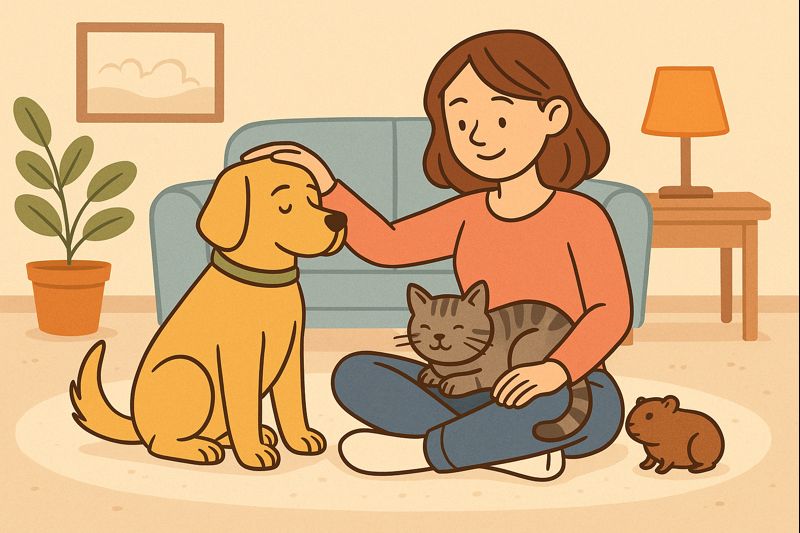
Many people ask what makes a good pet. Some picture a dog that never chews shoes. Others imagine a cat that sleeps near them every night. In real life, a “good pet” is not perfect. It is a pet that fits your home, stays mostly calm and safe, and lives a healthy, decent life by your side.
First of all, this is not only about the animal. A good pet is always the result of both the pet and the owner. Your choices, your routines, and your expectations shape how your pet behaves every single day.
What “Good Pet” Really Means in Everyday Life
To start with, people use “good pet” in many different ways. One neighbor wants a quiet indoor cat. Another wants a high energy dog for hikes. A family with young children may care more about patience than anything else.
Even so, most people share a few core ideas. A good pet is:
- Safe to live with
- Reasonably predictable
- Healthy and cared for
- Able to cope with normal daily life
- Bonded with the people in the home
A good pet still makes mistakes. A calm dog may bark at a delivery van. A friendly cat may swipe when overhandled. The important part is that these moments stay rare, and that you can manage them without fear or constant stress.
In the end, a “good pet” usually grows from three pillars. Natural temperament, daily care, and training. You do not control the first one. You do control the other two every day.
Temperament. The Starting Point You Build On
Temperament is the natural way an animal reacts to the world. At first, it shows up in small details. Some pets recover fast after a loud noise. Some need more time. Some enjoy new people. Others prefer distance.
For dogs, traits that often support “good pet” behavior include:
- Stable reactions to sudden sounds
- Low or moderate reactivity to other animals
- Curiosity mixed with basic caution
- Ability to recover after a scare
For cats, common “good pet” traits look a bit different. They often:
- Adjust to new rooms or furniture over time
- Tolerate gentle handling
- Use the litter box consistently
- Show interest in people without constant demands
Rabbits, guinea pigs, birds, and other small pets show their own signs. For example, a good pet in these groups usually accepts calm handling, eats well, keeps regular habits, and shows normal grooming.
Of course, you do not fully change temperament. You shape how it shows in daily life. When you pick a pet, the best step is to match natural tendencies with your lifestyle. A high drive dog in a tiny flat with very short walks will struggle. A shy, older cat in a loud home with many guests will feel on edge.
When the match is close, good behavior comes easier. When the match is poor, you face more conflict, no matter how hard you try.
Health and Welfare. The Side You Do Not Always See
Next, think about health. Many “bad” behaviors have a medical cause in the background. A dog that snaps when touched may feel joint pain. A cat that stops using the litter box may have a bladder issue. A parrot that plucks feathers may feel stressed or uncomfortable.
In fact, a pet that feels well has a far better chance to behave well. Core health basics include:
- Regular vet checks
- Vaccinations as advised in your region
- Flea, tick, and worm control
- A diet suited to species, age, and size
- Clean water all day
- A safe, clean living space
Pay close attention to changes. A shift in any of these areas can point to a problem:
- Appetite
- Drinking
- Sleep pattern
- Activity level
- Toilet or litter box use
- Grooming habits
When you act early, you protect both your pet and your bond. A lot of owners feel frustrated with a “naughty” pet, then feel relief when a diagnosis appears. After treatment starts, the behavior often improves, sometimes quite fast.
So, when your pet “acts out”, it helps to ask one question. “Has anything changed in health or routine recently”. This simple step often sends you in the right direction.
Training and Boundaries. Clear Rules Make Calm Pets
Training is not only for working dogs or shows. It is basic life skill for any pet that lives with humans. Clear, kind rules lower stress for you and for the animal.
For dogs, important daily skills include:
- Coming when called
- Walking without constant pulling
- Waiting at doors or gates
- Leaving food or objects on cue
- Settling on a mat or bed
Then, you can build small routines around these skills. For example, a short “sit and wait” before meals brings structure. These habits protect the dog and the people around it. They also give the dog simple tasks it understands, which feels safe.
Cats benefit from training too. It just looks different. Useful habits include:
- Using scratching posts instead of sofas
- Coming when called, at least for food or safety
- Accepting short carrier time
- Tolerating brief handling for grooming or vet visits
Small pets can learn as well. A rabbit can use a litter tray. A bird can step onto a hand or perch. Short, positive sessions make this easier than long, strict lessons.
The main rule stays the same for all species. Reward what you want. Pets repeat what leads to good things. Food, praise, gentle touch, toys, and access to space all count as rewards. Physical punishment or harsh yelling create fear and confusion. Fear does not build a “good pet”. It builds an anxious one.
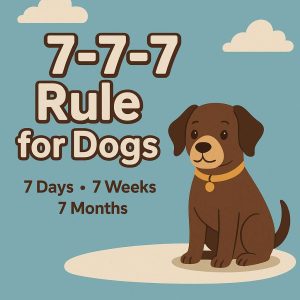
If you bring a new dog home, it helps to follow a gentle timeline for social contact, walks, and alone time. A simple plan like the gentle 7 7 7 rule for new dogs supports calm behavior from the first week.
Social Needs and Everyday Interaction
A pet is not a decoration. It is a social being. Even more independent species still need daily contact and emotional safety.
Dogs are classic social animals. They usually need:
- Daily walks
- Time to sniff and explore
- Play or training time with their main people
- Rest in the same area as the family
When dogs receive this, they bark less, chew less, and develop fewer anxious habits. Then, many owners start to describe them as “easy” or “good”.
Cats vary more in style. Some enjoy long cuddles. Others prefer short head rubs. Even so, almost all cats need:
- Daily check-ins
- Play that taps into hunting behavior
- Safe spots near people, such as shelves, beds, or window perches
Small pets like rabbits, rats, guinea pigs, and many birds often need partners of their own species. A “good pet” in these groups usually lives with at least one companion, not alone in a cage in a silent room.
On top of that, mental activity matters as much as physical movement. Puzzle toys, scent games, training tricks, and simple foraging tasks keep pets busy in a healthy way. A pet that spends time on these stays calmer than one that stares at a wall all day.
Environment, Enrichment, and Routine
Now try to imagine your home from your pet’s eye level. You will notice details you do not see in daily rush. You may see slippery floors, blocked escape routes, or a lack of quiet corners.
A “good pet” often lives in a well set environment. Key elements for dogs include:
- A bed in a quiet corner, not in a draft or right next to a door
- Non slip paths in main walking areas where possible
- Chew toys and play items that match jaw strength
- A safe outdoor space or steady walk routine
For cats, the list shifts a bit:
- Litter boxes in calm spots, away from loud machines
- Enough boxes for the number of cats in the home
- Vertical space such as shelves, trees, and window spots
- Scratching posts in places where cats already like to mark
- Hiding spots that stay open and easy to reach
Small mammals and birds need:
- Enclosures large enough for natural movement, not just turning around
- Chew items, branches, or safe toys
- Areas with light and shade choices
- Perches at different heights for birds
Routine ties everything together. At first, it might feel strict to keep fixed times. Then you see how much calmer your pet becomes when it can predict basic events. Feed times, walks, play sessions, and sleep should follow a steady pattern most days.
When pets know what comes next, they relax. Relaxed pets show more of the calm, steady traits people expect from a “good pet”.
If you want a broader view on everyday safety habits, a complete pet safety guide for new pet parents gives clear steps for home, travel, and outdoor risks.
Matching the Pet With the Household
Next comes one of the most important points. Not every pet fits every home. A dog that feels perfect in one family may feel miserable in another. The match between animal and household often decides whether people later use the label “good” or “difficult”.
Key factors include:
- Energy level
- A high energy herding dog suits someone who enjoys long walks, runs, or active games.
- A calm, older cat suits a quiet flat with adults.
- Noise and chaos level
- Some dogs cope well with laughing children and regular guests.
- Some cats and small pets stay stressed in that setting and hide most of the day.
- Space
- Large dogs need room to stretch and turn easily.
- Even tiny pets often need more enclosure or vertical space than people expect.
- Time
- Puppies, kittens, and young parrots need many hours of contact, training, and supervision.
- Adult rescue animals may need less active time but more emotional support at first.
At first, many people focus only on looks or breed. Then, a few months later, they feel overwhelmed. If you check these points before you choose, your new pet has a far better chance to grow into that “good pet” role.
Children and What Makes a Pet “Good” for Families
Many families dream about a perfect child friendly pet. They imagine a dog that accepts every hug and costume. They hope for a cat that never scratches. Real animals have limits and feelings.
For dogs in homes with children, helpful traits include:
- Low fear of sudden noises and movements
- Good bite inhibition
- Patience with clumsy touch, within clear rules
- Ability to move away when they feel stressed
For cats in family homes, useful traits include:
- Tendency to retreat instead of attack
- Use of high spaces to avoid rough contact
- Low play aggression toward hands and feet
At the same time, parents have a huge role. They can teach children to:
- Ask an adult before touching the pet
- Pet on shoulders or back, not face, tail, or paws
- Leave the pet alone during sleep and meals
- Notice signs of stress such as lip licking, yawning, tail swishing, ears back, growling, or hissing
When children learn these habits, a friendly dog or cat has the space to stay friendly. A “good family pet” is often the result of good family rules rather than a magic personality.
How Owners Bring Out the Best in Their Pets
Every pet arrives with a starting point. Then your daily choices either support or block that potential. Owners who bring out “good pet” traits often share a few simple habits.
They:
- Learn the basic needs of the species they live with
- Keep vet visits and vaccinations up to date
- Watch body language closely
- Offer both mental and physical activity
- Reward calm, polite behavior
- Stay consistent with rules and routines
For dogs, this may look like five minutes of training before meals. Sit, wait, come, bed. For cats, it may look like ten minutes of play with a wand toy in the evening. For parrots, it may look like foraging toys and regular “step up” practice.
In many cases, progress feels slow at first. A rescue dog that once lived on the street may take months to trust a sofa or a crate. A cat raised in a busy place may freeze in a silent flat. A few small, positive steps each day matter more than big, rare sessions.
Whenever you see behavior you like, mark it. Use your voice, your face, a treat, or a toy. Whenever you see behavior you do not like, block or redirect it calmly. Then show the pet what to do instead.
Over time, the pattern shifts. Your pet learns that good choices pay off. That is how “good pet” behavior grows.
Red Flags That Need Extra Help
Some behaviors go beyond normal mistakes or short phases. These signs call for fast attention from a vet and a qualified behavior expert.
Red flags include:
- Bites that break skin
- Repeated lunging at people or other animals
- Strong fear of daily sounds or objects
- Long periods of freezing, pacing, or self harm such as feather plucking
- Loss of toilet habits with no clear reason
- Sudden, strong change in usual character
Health checks come first. Pain, hormonal shifts, infections, or neurological problems can sit behind sudden aggression or fear. After medical causes are treated or ruled out, behavior work has a better chance to help.
Early action makes a big difference. Each time a pet learns that aggression works, the habit grows. So it is far better to ask for help at the first signs rather than wait for a serious incident.
A pet with special needs can still be a good pet for the right person and setting. It just needs more structure and a clear safety plan.
Rethinking “Good”. From Perfect to Real
At this point, it helps to adjust how you think about “good”. No dog stays silent for all of its life. No cat skips scratching forever. No bird stays quiet all day. These actions are normal. The question is whether they stay safe and manageable.
For example:
- Barking can shift from constant noise to brief alerts.
- Scratching can move from your sofa to a solid scratching post.
- Chewing can focus on safe toys instead of shoes.
- High energy can flow into walks, games, or sports instead of jumping on guests.
As you accept some normal behavior, you stop chasing a picture perfect pet. You start working with the real animal in front of you. That change in mindset helps you react with patience and clear plans instead of annoyance and blame.
You can ask yourself one simple question.
“Can I live like this for the next ten years”.
If the answer is yes, you already share life with a good pet. If the answer is no, you now know which areas to improve. Health, training, environment, routine, or the overall match.
A Quick Checklist for a “Good Pet” Home
To finish, here is a short checklist you can review from time to time. It gives you a fast way to see where you stand.
Daily care
- Fresh water is always available
- Food fits species, age, and size
- Litter box or toilet area stays clean
- Resting places are safe and comfortable
Health
- Vet check within the last year, or as advised
- Vaccinations and parasite control are current
- No unexplained weight loss or gain
- Normal appetite and toilet habits
Behavior
- No regular aggression toward people or other animals
- Pet can settle for part of the day
- Pet handles normal alone time without full panic
- Basic cues or routines are known and used
Environment and routine
- Enough space for natural movement
- Toys, scratchers, chews, or foraging items are present
- Daily pattern for food, activity, and rest feels stable
- Escape routes or high spots exist for pets that need them
Human habits
- Calm, clear communication
- Rewards for desired behavior
- Early response to new problems
- Respect for the pet’s limits and signals
If most points in this list feel true in your home, you already give your animal a strong base. From that base, the traits of a “good pet” grow in a natural way.