Bringing home a new dog feels huge. You wait for that wagging tail, the cuddle on the sofa, the long walks.
Your dog sees something else. Their whole world just flipped. New smells, strange rooms, different people, and rules they do not understand yet. So their brain needs time to cool down before real life with you starts.
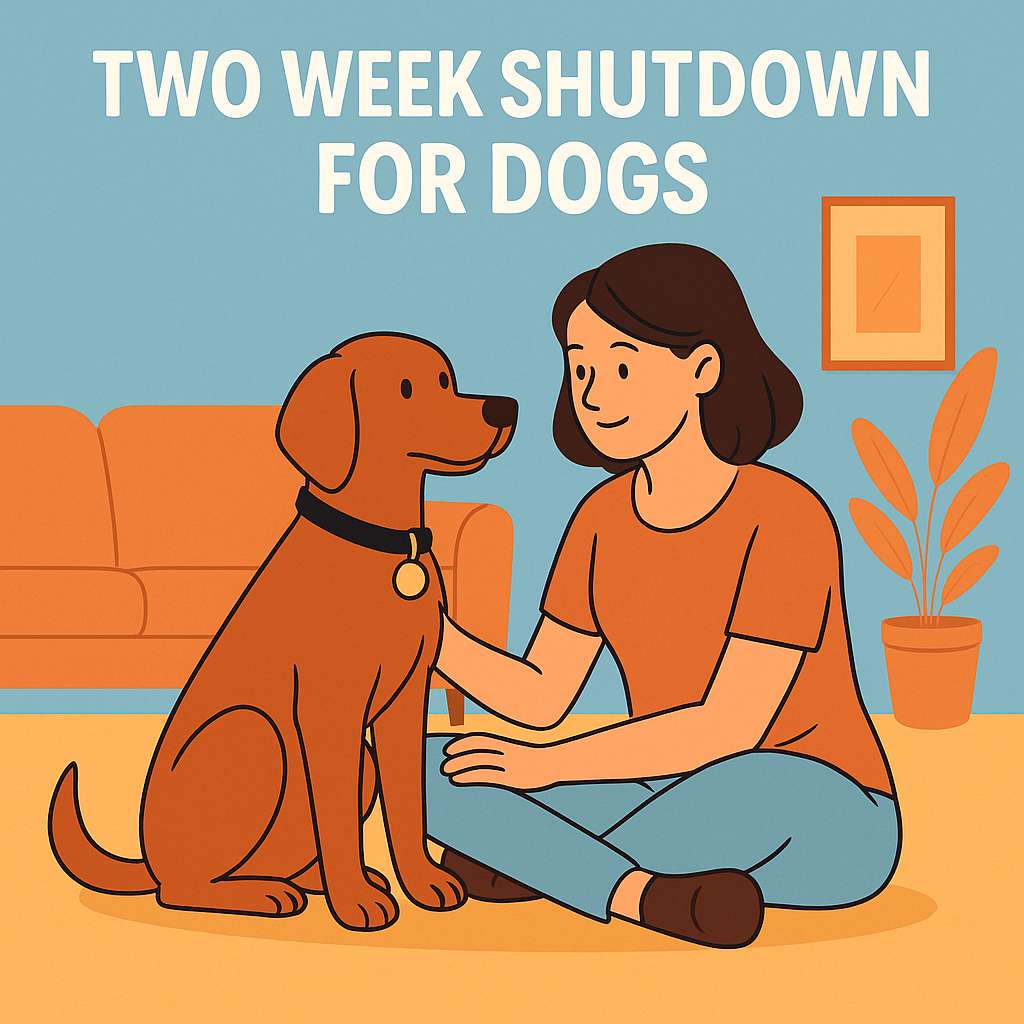
This is where the two week shutdown comes in. It is a simple idea. For about 14 days, you keep life calm and predictable, and you give your new dog a safe bubble to breathe in.
Many adopters now hear about the 3-3-3 rule for dogs. If you like that way of thinking, you can read a full breakdown in this guide on the 3-3-3 method for dogs. The two week shutdown fits right into that picture and covers the very first part of it.
In this article you will see what the two week shutdown method for dogs actually means, how to follow it day by day, and how to keep kids, guests, and other pets safe during that time. You will also see when calm structure is not enough and you need extra help.
What the Two Week Shutdown Method for Dogs Really Is
The two week shutdown is a planned decompression period for a new dog. During these 14 days, you cut down on new experiences and keep the dog’s world small and steady.
The main aim is rest. The dog learns that food shows up in the same place, people behave in a steady way, and nothing scary jumps out of nowhere.
So, in plain terms, the two week shutdown method for dogs means that you:
- Limit access to the home at first
- Keep visitors to a bare minimum
- Avoid busy outings and loud places
- Use a clear routine for food, sleep, and potty breaks
- Focus on calm, short interactions, not full social life
This is not a punishment. It is more like a reset. The dog gets time to breathe and to watch you. Then, once they feel safe, the real bond can grow.
Why New Dogs Need a Decompression Period
Life before you might look fine on paper. Yet many dogs come from noisy kennels, crowded homes, or unstable yards. So their nerves often stay on high alert. That state does not vanish the moment you sign an adoption form.
Then they move again. New house, new surfaces under their paws, new sounds, and new rules. Even gentle touch can feel intense at first.
You may notice signs like these.
- Pacing with no clear goal
- Heavy panting in a cool room
- Jumping, mouthing, grabbing clothes
- Hiding in corners or under furniture
- Refusing food or gulping it in seconds
- House training accidents
- Barking or growling at normal sounds
Many of these signs come from stress, not “bad behavior”. So a decompression period gives the nervous system time to settle. It reduces choices and cuts down on mistakes.
The two week shutdown method for dogs helps in a few clear ways.
- It lowers the number of new triggers in one day
- It gives the dog a safe spot they can predict
- It helps you watch and learn who this dog really is
- It protects kids and other pets while you learn
When a dog feels safer, they think better. Then training, house rules, and daily life all become easier.
Core Rules of a Kind Two Week Shutdown
Every dog brings a different story. Even so, the basic rules of a gentle shutdown plan stay almost the same across homes.
1. Keep your dog’s world small
At first, your dog only needs one or two rooms. Use baby gates, pens, or closed doors. That smaller space feels more like a den and less like a maze.
This step also helps with house training. You can spot early signs that your dog needs to go out, and you do not spend hours searching for hidden accidents.
2. Create a clear safe zone
Pick one place as the “safe zone”. This might be a crate, a pen, or a small, quiet room. Then add a bed, water, and a safe chew or toy.
Make this spot good news. Feed some meals there. Drop treats in when your dog walks in. Speak softly near it. From the start, teach kids that this place is off limits for them.
The safe zone is where your dog can rest without pressure. No one pulls them out. No one pokes them when they sleep.
3. Short, quiet outings only
During shutdown, your dog does not need dog parks or crowded streets. Short potty breaks and simple walks in calm areas are enough.
So you step outside, let them sniff a bit, praise and reward when they go, then head back in. The goal is a steady rhythm, not social time yet.
4. Very few visitors
Friends and family want to meet the new dog. That feeling makes sense. Even so, extra people mean extra noise, smells, and hands.
During the first week, keep visitors away if you can. When someone must come in, place your dog in their safe zone with a chew or stuffed toy. Then close the door or use a gate, so the dog is not trapped in a corner with a stranger.
5. No free access to other pets
Even friendly pets can overwhelm a newcomer. First impressions matter, and one bad moment can change how animals feel about each other for a long time.
So you separate at first. Rotate who is loose and who is in a crate or behind a gate. Swap bedding so they smell each other without direct contact. Let them sniff under doors.
Later, once everyone looks relaxed with scent, you can add short, controlled views on leashes or behind barriers.
6. Calm, reward based handling
Your hands and voice teach your dog what humans mean. So keep both gentle.
- Speak in a calm, even tone
- Move in clear, slow steps
- Mark and reward calm behavior with treats and praise
- Stop petting after a few seconds and wait for the dog to ask for more
Modern training advice for family dogs favors rewards and kind timing over pain and fear. So skip prong, choke, or shock tools. They often add stress and can raise the risk of fear or aggression later.
7. Simple rules from day one
Dogs like clear rules, even if they test them. Early structure helps them relax, since they do not have to guess all the time.
You might decide that, during shutdown:
- The dog stays off furniture
- Bedroom doors stay closed
- Kids do not feed from plates
- People toss treats away from tables, not from their own food
You can soften some rules later. Right now you just want a safe, predictable base.
Day by Day Guide. The First 14 Days With Your New Dog
Dogs do not care about calendars. Even so, a two week frame gives you a simple map. Think of it as a guide that you stretch or shrink around your dog’s needs.
Days 1–3. Quiet arrival and observation
Bring your dog straight home on the first day. Skip extra errands or visits.
First, walk them on leash to the potty area. Wait in a calm way. Praise gently when they finish. Then guide them indoors to the safe zone.
During these first days you keep life very simple.
- Feed at the same times each day
- Use the same bowl and spot for meals
- Take frequent short potty trips
- Keep walks short and close to home
- Keep sound levels low and steady
Sit in the room with your dog, yet do not crowd them. Read a book, scroll your phone, or watch a quiet show. Then drop a treat when they look at you or move toward you.
This is also a good time to start a small log. You can write down:
- How much they eat and drink
- How often they pee and poop
- How they react to doors, TV, and other sounds
- How they respond to each family member
These notes help you see small changes. They also help a vet or trainer if you need advice later.
Days 4–7. Gentle structure and tiny training
By day four, many dogs start to show more of their real self. Some relax and act playful. Others push a bit and test boundaries. A few may snap or growl when they feel stressed.
So you still keep the world small, yet you can add very simple training.
Start with a marker word like “Yes”. Say the word, then place a small treat on the floor. Repeat this many times over the day. Soon your dog will link the word with rewards.
Then you can use the marker when your dog does something you like.
- Looks at you on their own
- Sits near you
- Lies down on their bed
- Stands still to have the leash clipped
Sessions can stay short. Three to five minutes at a time works well. You can repeat a few sessions each day. End while your dog still wants more.
You might open one more room for short, supervised walks around the house. Keep your dog on leash if needed. Block unsafe spots with gates or furniture. Then guide them back to the safe zone and let them rest.
If you have other pets, this stage often fits the first controlled meetings. You can let dogs see each other through a gate while both get treats. You can walk them on leashes in the same direction with a bit of space. Keep sessions short and calm.
Days 8–14. Slow expansion and calm social time
During the second week, many dogs go through a “honeymoon shift”. At first they act very easy. Later they feel safer and start to show stronger likes and dislikes.
So you keep the core shutdown rules, yet you slowly expand their world.
Now you might:
- Take one slightly longer walk in a quiet area
- Let the dog explore more of the home while you supervise
- Add simple food puzzles or scent games
- Invite one calm, dog wise friend to visit once or twice
When you add new things, add them one by one. New place one day. New person on another day.
Watch for signs that your dog feels overwhelmed.
- Stiff body or hard stare
- Lip licking and yawning when nothing special happens
- Growling or snapping when handled
- Extra house accidents after a clean stretch
- Barking that does not stop once the trigger goes away
If you see these signs, go back a step. Shorten walks, shrink access to the home again, and reduce contact with other animals. Then give your dog more rest and slower changes.
Kids, Guests, and Other Pets During Shutdown
Rules for humans are just as important as rules for the dog. If people follow a plan, the shutdown period feels safer and smoother for everyone.
Kids
Children often rush straight toward a new dog. They want to hug, kiss, or ride like a pony. Dogs rarely enjoy that, especially in a strange home.
So set clear kid rules from the very start.
- No hugging or climbing on the dog
- No touching the dog during sleep or meals
- Pet the dog only when an adult says it is time
- Stroke the chest, sides, or shoulders, not the face or tail
- Stop petting after a few seconds and see what the dog does
If the dog leans or nudges a hand, the child can pet again. If the dog turns away, stiffens, or licks lips, the child should pause and give space.
During the shutdown, keep an adult between young kids and the dog. If you need to cook, shower, or answer the door, place the dog in their crate or safe room, or place kids in another room behind a gate.
Guests
Friends and family often feel eager to meet your new dog. The dog may not feel ready for that crowd.
So, in the first week, try to delay non essential visits. Send photos and videos instead. Once the dog looks calmer and more settled with the household, you can add one guest at a time.
Before the guest enters, set up the room.
- Place the dog’s bed or crate where they can see but still feel safe
- Give a chew or stuffed toy in that spot
- Ask the guest to ignore the dog at first
- Let the dog decide to approach or stay on the bed
If the dog walks close, the guest can toss a treat on the floor near the dog, not into their face. The guest does not bend over the dog or grab at the collar.
If the dog moves away or hides, the guest returns to ignoring the dog. Then you try again another day.
Other Dogs and Pets
With other dogs you need a steady plan. Fast, face to face greetings often go wrong in small spaces.
So you can follow a simple order.
- Separate dogs with doors or gates
- Swap bedding between them
- Feed on opposite sides of a barrier
- Let them sniff under a door and walk away
Later you can move to on leash walks together. Two adults hold the leashes. The dogs walk in the same direction with some distance between them. Loose bodies and curved paths are good signs.
If you see stiff legs, raised lips, or a fixed stare, end the session in a calm way. Turn and walk away with a light, happy voice. Then try again later with more space or support from a trainer.
Cats and small pets need strong safety rules. Give them high shelves, closed doors, or safe rooms. Keep the dog on leash in shared areas at first. Do not let the dog chase them, even in play, since that habit can stick.
Common Myths and Mistakes About the Two Week Shutdown
The two week shutdown method for dogs gets mixed views online. Some people love it. Others feel it is too strict. So it helps to clear up a few common myths.
“This will make my dog shy or antisocial.”
A calm start does not block social skills. It builds a base of safety. Once the dog trusts you and the home, you can add well planned social time. Dogs learn and connect better when they do not feel scared all the time.
“My dog seems relaxed, so we can skip this.”
Many dogs stay in a “good guest” mode for days or weeks. They act very quiet at first, then start guarding or snapping later, once they feel safe enough to speak up. A shutdown period gives them room to adjust while risks stay low.
“Shutdown means you shut the dog away.”
A kind shutdown is not harsh lock up. Your dog still gets walks, play, treats, and contact. The big change lies in how many new things appear each day. Life stays simple and predictable, not empty.
“I must use harsh tools to set rules fast.”
Pain and fear can stop behavior in the moment, yet they often add deeper stress. That stress can show up later as anxiety, aggression, or health problems. Gentle, reward based training takes more thought, yet it builds trust and clear communication.
How to Know When to End the Two Week Shutdown
Two weeks give you a tidy number. Even so, your dog’s behavior tells the real story.
You can start to relax the shutdown once you see signs like these.
- Your dog eats and drinks on a steady schedule
- They sleep and rest in their safe space without pacing for hours
- They move around the home with a loose body and soft face
- They look at you for guidance when they feel unsure
- They follow simple cues such as “sit”, “come”, or “bed” indoors
- They behave politely with family members under control
When you see this pattern for several days, you can open the world a bit more.
Next steps might include:
- Longer walks in new yet not crowded areas
- More access to the home while you supervise
- A reward based group training class
- Short visits with calm, dog wise friends
- More varied games, puzzles, and scent work
Keep some of the early structure. The crate or safe room still helps during busy moments or when guests come over. Clear rules around doors, food, and kids still protect everyone.
Some dogs will need more than 14 days of careful support. Nervous dogs, dogs with trauma in their past, or dogs with ongoing pain may need months of slow, steady work. In those cases the two week shutdown method for dogs acts as the first chapter in a longer behavior plan.
Stress signs to watch for
Dogs show stress in small ways. Spot them early, then you can lower the pressure fast.
Common signs include:
- Lip licking.
- Yawning that does not match sleep.
- Panting in a cool room.
- Whale eye, where you see the whites of the eyes.
- Tail tucked, ears pinned, body low.
- Freezing, hiding, pacing, or scanning.
If you see these signs, shorten the outing. Create distance from the trigger. Then return to calm time.
When to Call a Veterinarian or Behavior Professional
A shutdown plan helps many healthy dogs. Yet it cannot replace medical care or expert behavior help when deeper issues show up.
Contact your vet or a qualified behavior professional if you see:
- Repeated bites or close calls toward people or animals
- Sudden changes in movement, balance, or awareness
- Total refusal of food for more than a full day
- Severe panic, non stop pacing, or self harm
- Signs of pain such as limping, yelping, or stiff movement
- Long periods of freezing, staring, or complete withdrawal
Try to look for professionals who base their work on current science and reward based methods. Then bring your behavior log with you. Clear notes on sleep, food, and triggers give that person a strong starting point.
If you are new to pet care in general, you may want a wider safety checklist as well. In that case, you can read this beginner friendly guide on pet safety for the whole family: Pet Safety 101. The Complete Beginner’s Guide for New Pet Parents. It pairs well with the shutdown plan and helps you build safer habits in the rest of your home.
In the end, the two week shutdown method for dogs is a simple gift. You give your new dog time, space, and calm structure. In return, you get a clearer picture of who they are and a stronger base for a long, happy life together.