Bringing a new dog home feels exciting. It can feel a bit stressful too. Your dog just lost every familiar smell, sound, and routine. So the real question is simple. How long for a new dog to adjust to a new home?
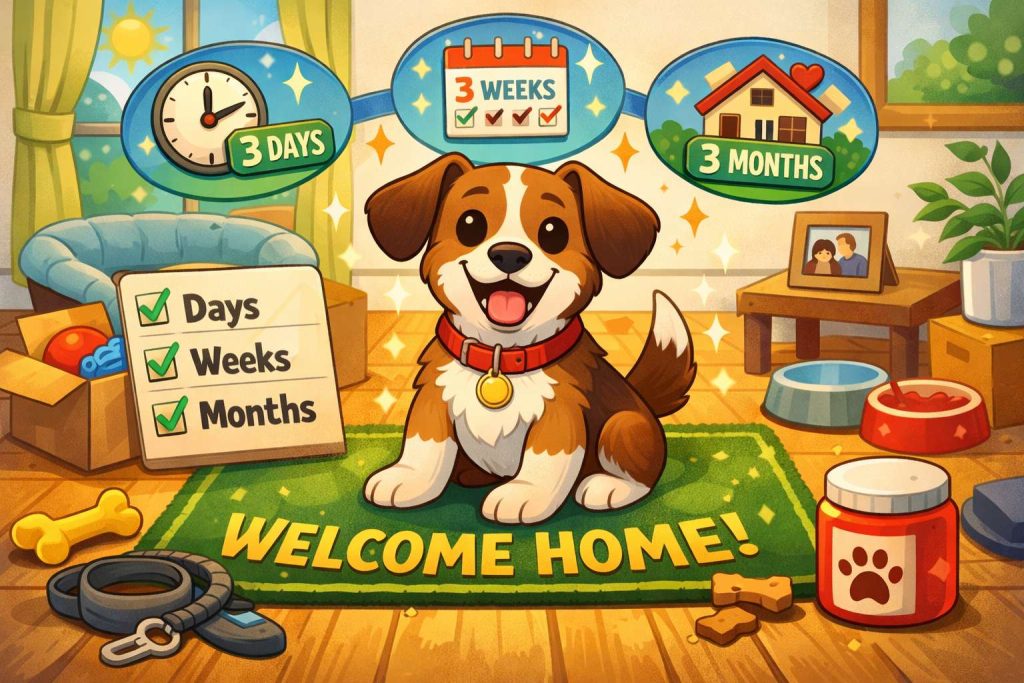
Most dogs settle in stages. You often see big shifts over the first 3 days, then clearer progress over the first 3 weeks, and then a deeper sense of safety by about 3 months. Some dogs move faster. Others take longer, and that can still be normal.
If you want a gentle timeline you can follow day by day, read this guide on the 7 7 7 rule for dogs. It pairs well with the steps below.
Why the timeline changes from dog to dog
A few things can speed up the adjustment. A few can slow it down.
Age matters. Puppies tend to bounce back quickly, but they still need structure all day. Adult dogs can settle fast too, but they may bring old habits with them. Seniors often prefer calm and predictability, so they can take longer to relax.
History matters too. A dog from a steady home may settle faster. A dog from a shelter, a rough situation, or repeated rehoming may take more time to trust people and routines.
Personality plays a role. Some dogs walk in and explore right away. Others watch quietly from a safe corner first. Both are normal.
Your home setup matters as well. Noise, visitors, kids, and lots of movement can raise stress. So can a busy building hallway or a loud street.
Health can change everything. Pain, stomach upset, itchy skin, and ear trouble can block calm behavior. So if something feels “off,” a vet visit can save weeks of confusion.
The first 72 hours. Decompression
At first, many dogs look shut down. Some look wired. Either way, your goal stays the same. Keep the home calm and predictable.
You may notice:
- Low appetite, or picky eating
- Hiding, freezing, or sticking close to one room
- Light sleep with lots of waking
- Panting, pacing, or clinging to you
Now the helpful part. What do you do in those first days?
Give your dog a small safe zone. One room works well. Add a bed, water, and a chew. Then keep choices simple. Short walks, quiet bathroom breaks, and plenty of rest.
Feed on a schedule, and keep meals plain at first. Stress can dull appetite, so small portions often work better than a big bowl left out all day. After that, remove the bowl if your dog walks away. Then try again at the next meal.
Keep greetings gentle too. Let your dog come to you. Sit on the floor, talk softly, and wait. Your dog learns a lot from that pause.
The first 3 weeks. Routine learning and boundary testing
Next, many dogs start to “wake up.” You will see more curiosity, more energy, and a wider range of behavior. This stage can feel messy, but it is also a good sign.
You may notice:
- Accidents in the house
- Chewing, digging, or grabbing random items
- Jumping up, pulling on leash, or barking more
- Restlessness around bedtime
So, what helps most in these weeks?
A steady routine. Dogs relax faster when the day follows a pattern. Wake up, bathroom break, breakfast, short walk, rest, then repeat. It sounds basic, but it works.
Keep training short and clear. Aim for 3 to 5 minutes, a few times a day. Focus on easy wins like name response, sit, and hand targeting. Then reward calm choices, like lying down on a mat.
Set rules that stay the same. If the couch is off limits, keep it off limits every day. If the couch is allowed, then invite your dog up on your terms. Mixed signals create stress, and stress creates “bad behavior.”
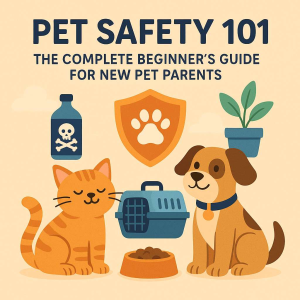
If you want a broader safety setup for a new pet, this beginner guide helps you cover the basics in one place: Pet Safety 101 for new pet parents.
The first 3 months. Bonding and the real personality
Then you often see the biggest shift. Your dog starts to feel safe enough to show their real personality. You may get more play, more affection, and more stable routines.
You may notice:
- Better sleep and fewer startle reactions
- More eye contact and more interest in training
- Clear attachment to you and your home
- Strong habits, both good and not so good
This is the time to build confidence the right way.
Give daily exercise that fits your dog. A young herding mix needs a different plan than a senior pug. Start with what your dog can handle now, then add time slowly.
Add brain work too. Sniff walks, food puzzles, and simple scent games can tire a dog out without pushing their joints. This can help a lot with evening zoomies.
Work on calm life skills. Teach your dog to settle. Teach “wait” at doors. Teach polite greetings. Then practice in tiny steps, not in big stressful jumps.
A simple day one plan that prevents problems
You can avoid many issues with a clean start.
Pick one calm room as home base. Add bed, water, and a few toys. Then block off the rest of the home.
Start a bathroom routine right away. Take your dog out on a timer. Reward right after they finish outside.
Keep the first week boring in a good way. Fewer visitors. Fewer new places. More sleep.
Use management tools. A crate, pen, or baby gates keep your dog safe, and they keep your home intact.
Introducing other pets without drama
If you have other pets, go slow. Slow feels faster later.
Use separate spaces at first. Let them smell each other through a door or gate. Then do a scent swap with blankets.
For dogs, parallel walks help a lot. Walk them at a distance, and reward calm behavior. Then shorten the distance over time.
For cats, give vertical escape routes and safe rooms. Let the cat choose the pace. Then keep early sessions short, and end them on a calm moment.
Feed separately at the start. Food can trigger guarding fast, even in friendly dogs.
Common early problems and what to do
Your dog will not eat
Stress can shut down appetite. Try smaller meals, and keep food simple. Track water intake, stool, and energy. If your dog refuses water, vomits again and again, has bloody diarrhea, or seems weak, call a vet.
Accidents in the house
Assume your dog does not know your rules yet. Take more trips outside, reward success, and clean indoor spots with an enzyme cleaner. Then watch your timing. Many dogs need to go out after waking, after play, and after meals.
Chewing and destruction
Chewing is normal, and stress can make it worse. Give safe chews, rotate toys, and block access to shoes and cables. Then use a pen or crate for short periods, paired with calm praise and a chew.
Barking at sounds
Noise can feel scary in a new place. Close curtains, reduce exposure, and reward calm after a sound happens. Then build confidence with short practice sessions.
When to get help
Some signs call for quick support from a vet or a qualified trainer:
- Breathing trouble, repeated vomiting, bloody diarrhea
- Signs of pain, like limping or yelping on touch
- Aggression with serious intent to bite
- Panic that escalates, with nonstop pacing, drooling, or self injury
- No normal sleep for nights in a row
Early help can stop a rough first month from turning into a long-term problem.
The bottom line
If you are asking how long for a new dog to adjust to a new home, expect a settling period measured in weeks. Then expect deeper comfort over the first 3 months. Keep routines steady. Keep the first days calm. Then reward the behaviors you want to see again.