Every year, as Christmas gets close, online platforms fill with adverts for puppies, kittens and other “ready now” pets. At first glance it all looks cute and harmless. Then you read the small details and the picture changes. On December 8, 2025, the UK’s Pet Advertising Advisory Group (PAAG) issued a warning that asks families to slow down, ask more questions and protect both their money and the animals behind those listings. PAAG brings together animal welfare organizations, trade associations and veterinary bodies.
PAAG volunteers checked ads on the websites that work with the group from October 20 to 24, 2025 and found 436 that breached its advertising standards. Social media gets little active moderation, and in one week of checks there (July 28 to August 3) PAAG judged 17% of the ads to be scams. Many ads still hide poor breeding, fake pets or sellers who vanish once they receive a deposit. So a bit of extra care now can save a lot of heartache later.
Why Christmas pet adverts can be risky
Christmas feels like the perfect time for a new pet. Children stay at home, people take days off work and the house feels full. On paper it sounds lovely. In real life it often brings stress for a young animal.
The run up to the holidays creates strong demand. Irresponsible breeders see that and rush litters online. They may keep animals in cramped pens. They may skip health tests, early vet visits or any kind of social time in a home. As a result, buyers end up with sick or scared puppies and kittens.
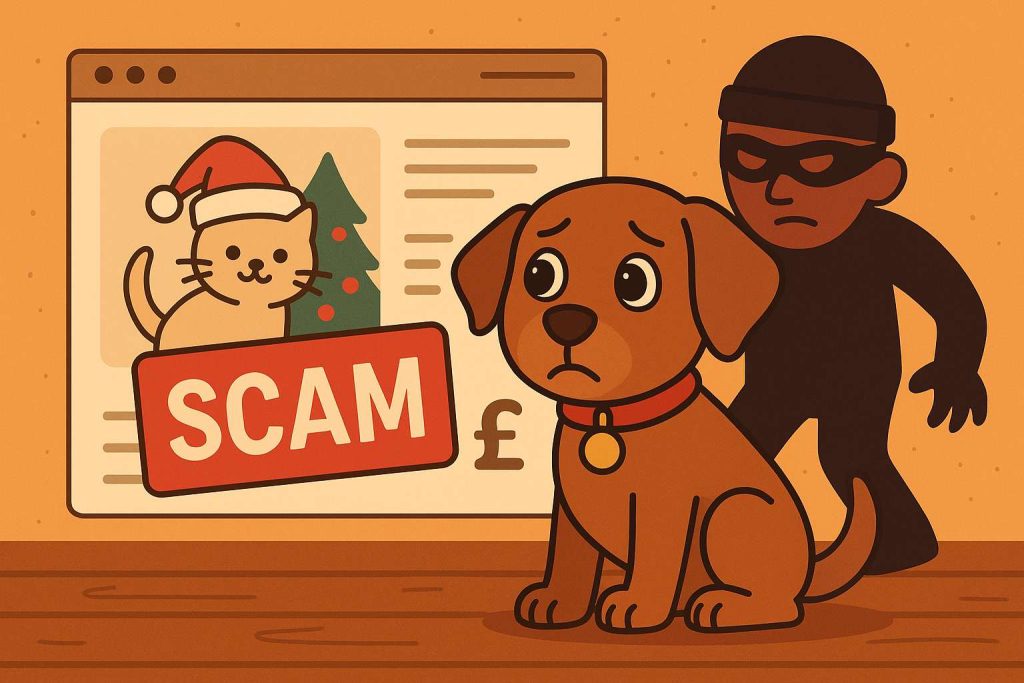
Scammers follow the same pattern. They copy cute photos from other sites. Then they post them with a low price or a “quick sale” message. Many push for a bank transfer or a friends and family payment. Once the money leaves your account, the seller stops replying.
On top of that, Christmas itself can feel loud and confusing for a young pet. Guests come and go. Doors open often. Food sits on tables and low plates. Tinsel, fairy lights and small toys appear everywhere. A strong, well bred pet may cope. A weak or poorly socialised animal struggles and can end up at the vet or in a rescue centre by January.
Common red flags in Christmas pet adverts
You do not need expert training to spot warning signs. In PAAG’s October review, the most common breach (38% of the issues flagged) was an ad with no recognizable photo of the young animals with their mother.
Watch for adverts that show:
- No clear photo of the puppy or kitten with its mother.
- Only one or two staged photos that look like stock images.
- Very vague age, such as “ready soon” or “nearly ready”.
- Pressure to pay a deposit before any visit.
- A seller who avoids video calls and keeps changing meeting plans.
- No details on vaccines, microchip, worming or flea treatment.
- Odd payment requests, such as gift cards or hidden bank details.
If even one of these signs appears, step back. Next, compare with other adverts and see if you notice patterns. Scam adverts often copy the same layout and phrases, so you start to see repeats once you pay attention.
How to choose a pet safely this Christmas
First, ask a simple question. Do we want a lifelong pet, or do we just feel caught up in the Christmas mood. A pet will stay with your family long after the tree goes down. So every adult in the home needs to agree on the plan.
Next, think about adoption. Rescue centres care for many lovely animals who already need a home. Staff know their history, have done basic vet checks and can guide you on matches for your routine. For a lot of families, this path feels calmer and more honest.
If you still decide to buy from a breeder or private seller, take things step by step.
- Start with a chat by phone or video.
- Ask for photos and short clips of the litter with the mother.
- Visit the home before you agree to buy.
- Meet the puppy or kitten indoors, not in a car park.
- Check that the place looks clean and that water and bedding are available.
- Ask to see vaccination cards, microchip details and any health test papers.
Then give yourself time to think. Do not pay on the spot if something feels strange, even if your children have fallen in love already. A good breeder understands that a careful buyer protects their animals too.
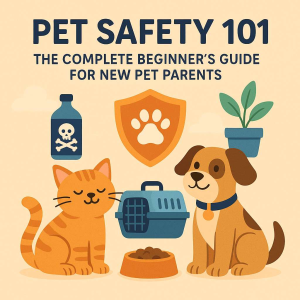
If you are new to pet care, extra guidance helps a lot. For a clear starting point, you can read this beginner pet safety guide for new pet parents. It walks through daily safety, home setup and long term planning in more depth.
Planning the real cost of a Christmas pet
A pet advert shows one price. Real life adds many more. So it makes sense to put numbers on paper before you call a seller.
Think about:
- Food each week or month.
- Routine vet care such as vaccines and health checks.
- Neutering, when the time comes.
- Insurance or a savings pot for emergencies.
- Training classes, especially for young dogs.
- Gear like a bed, bowls, leads, collars, litter tray and safe toys.
Then add extra items linked to Christmas. For example, you may need baby gates to block access to the tree or the kitchen. You may need secure bins for chocolate wrappers and skewers. You may want a crate or quiet room so the pet can rest away from guests.
Once you see the full picture, you know if now is the right time or if it makes sense to wait until life feels calmer.
What websites can do better
Families carry a big part of the responsibility. Even so, the websites that carry pet ads shape what buyers expect.
PAAG sets minimum advertising standards for the websites that work with it, and it asks buyers to report suspicious ads to the site where they appear. Every listing for a young puppy or kitten should include photos with the mother, basic health details and open contact information. If a seller breaks these rules, the advert should come down fast. If the seller repeats the breach, their account should not stay active.
Step by step, this kind of change helps families see a new pet as a long term choice rather than a quick festive extra. Then fewer animals end up sick, stressed or abandoned in the new year.
A Christmas pet can bring joy for many years, and it often does. With patient research, honest adverts and a bit of planning, you give that pet a far better start. You also protect your family from scams and hard goodbyes.