Dog dementia can sneak up on you. At first, it looks like a senior dog having an off day. Then the “off days” start stacking up. So it helps to watch for repeats, not one weird moment.
Aging brings changes, yes. Still, confusion, sleep problems, and new anxiety often point to more than simple slowing down. When you spot a pattern, write it down. Then bring that log to your vet. That one step can save weeks of guessing.
Use the DISHA checklist at home
Vets often group dog dementia signs into a simple set called DISHA. It gives you a clear way to sort what you see.
Disorientation
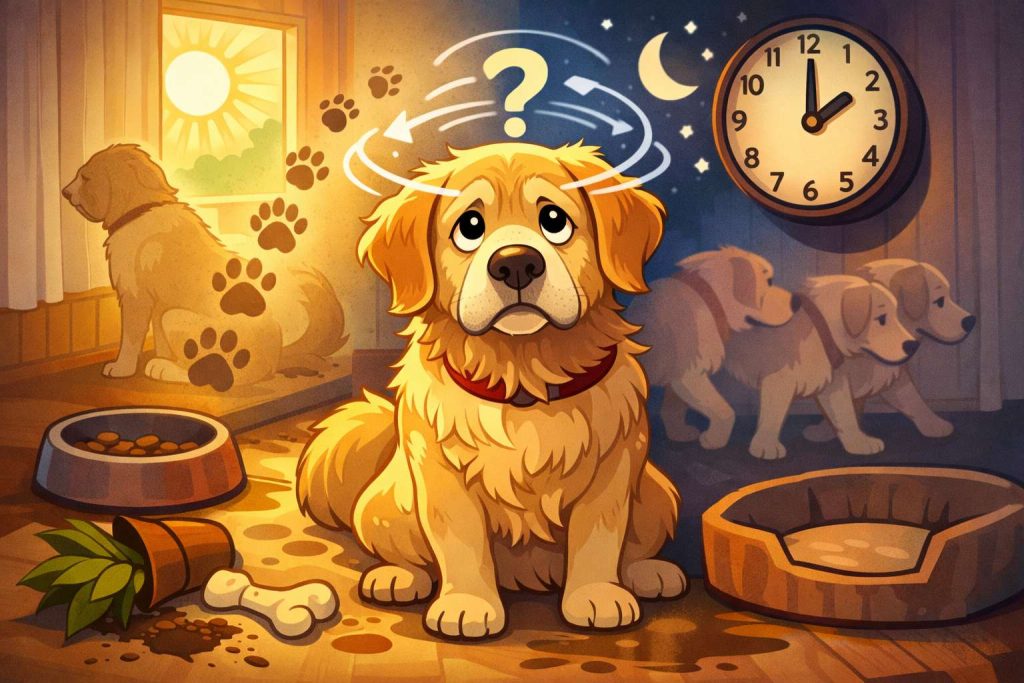
Your dog seems lost in familiar rooms. They get stuck in corners. Then they stand behind a door like they cannot find the way around it. Some dogs stare at a wall for a minute or two, then wander off.
Interaction changes
Some dogs get extra clingy, so they shadow you from room to room. Other dogs pull back, and they stop greeting people like they used to. You may notice less interest in play. You may notice less interest in pet friends too.
Sleep and wake changes
Daytime naps get longer. Nighttime rest gets messy. So you might hear pacing, whining, or random waking after midnight. In the morning, your dog may look tired, and you may feel it too.
House soiling
A dog that stayed clean for years starts having accidents indoors. That feels frustrating, and it can feel confusing. Still, this sign needs a vet check fast, since bladder issues and pain can look the same.
Activity shifts
Some dogs slow down and stop exploring. Yet others pace and cannot settle. So watch the direction of the change. Then track how often it happens.
Early signs people shrug off
Small changes feel easy to excuse. That is the trap.
Routine slips
Your dog forgets cues they knew for years. Then they pause mid-task like they lost the thread. Meal time can look odd too. A dog may ask to go out, then stand there with no clear goal.
Aimless wandering
Wandering can look harmless. Still, dementia-related wandering often has no purpose. You might see slow circling. You might see room to room laps. Then your dog stops like they forgot what they were doing.
New anxiety
Anxiety can rise in the evening. So you may see more vocalizing, more clinginess, or more restlessness around the same time each day. Noise fears can pop up too. Separation stress can show up in a dog that stayed home calmly for years.
Food confusion
Some dogs walk up to the bowl, then walk away. Others forget to eat until you guide them. Yet a health issue can cause appetite changes too. So treat this as a “check it” sign, not a “wait it out” sign.
How common is dog dementia
Rates vary, yet one point stays steady. The risk rises with age. Many dogs start showing signs around the senior years, and the odds climb as they reach the teen stage. Big dogs often age faster than small dogs, so timing can differ from dog to dog.
What to do when you notice dog dementia signs
Start simple. Keep a two-week log.
Write down:
- What happened
- The time
- How long it lasted
- What was different from normal
Short notes beat vague notes. “Paced 20 minutes at 1 a.m.” helps more than “acted strange.”
Next, book a vet visit. Many medical problems can mimic dementia. Pain, arthritis, hearing loss, vision loss, thyroid trouble, kidney disease, and urinary infections can change sleep, mood, and house training. So the vet visit matters, even when you feel sure it is “just age.”
Bring a video if you can. A 10 to 20 second clip of pacing, circling, or getting stuck behind furniture helps your vet see what you see at home.
Care that often helps at home
A single trick rarely fixes everything. Still, many dogs do better with a layered plan.
Keep the routine steady
Feed and walk at the same times each day. Then keep furniture in place, so your dog can map the home with less stress.
Add simple safety supports
Use night lights in halls and near steps. Use baby gates for stairs or tight corners. Then guide your dog with calm voice cues, not loud corrections.
Use short brain games
Keep training light and brief. Two minutes can be enough. Then stop on a win, even if the win is small.
Choose calm responses
Accidents and confusion feel hard. Yet scolding often makes anxiety worse. So focus on comfort, clean up quietly, and redirect gently.
A quick note for multi-pet homes
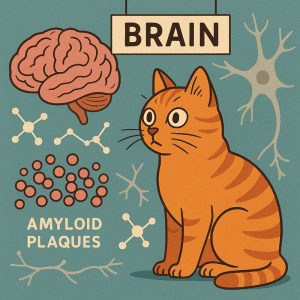
If you share your home with cats too, you may notice similar “aging brain” themes. That topic has its own research path, and it is worth a look if you want the bigger picture. Here is a helpful read on a cat dementia study and a possible Alzheimer’s link at the synapse.
Dog dementia signs can feel scary. Still, many senior dogs live happy, comfortable lives with the right support. So start with the log. Then talk with your vet. After that, build a routine that helps your dog feel safe every day.