

















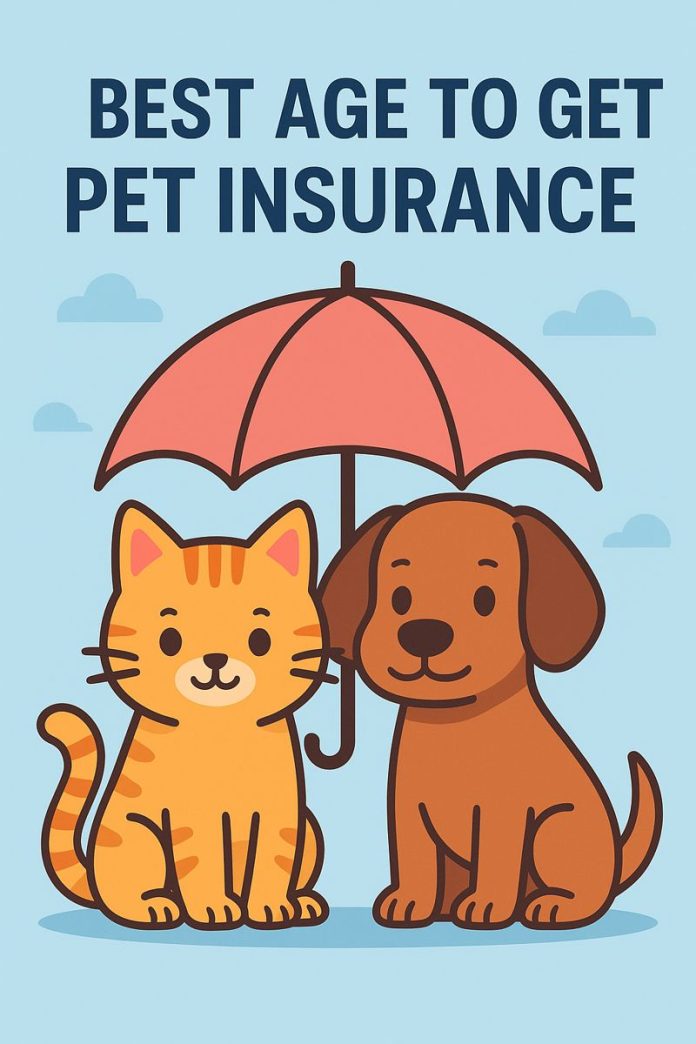
The best age to get pet insurance is as soon as your pet qualifies. For many plans, that starts at about 8 weeks old. So, if you just adopted a puppy or kitten, you are already in the best window.
That timing matters. A lot of policies will not cover conditions your pet had before the policy started. Waiting periods matter too, and they can delay help for the first days or weeks. So buying early can save stress later.
The quick age guide
Puppy or kitten (about 8 to 16 weeks). Start here if you can. You usually get more plan choices, and the medical record is often clean.
Adult (about 1 to 6 years). This still works well. You may pay more than you would for a baby pet, but you can still protect yourself from big bills.
Senior (about 7 years and up). You can still get coverage with many insurers, yet plan options can shrink. So you may end up choosing accident only coverage, or a plan with stricter limits.
Why buying early often works better
A pet’s health record builds fast. One ear infection, one limp, one stomach bug, and the file changes. Then some insurers can label that issue as “pre-existing.” That is when claims get denied, and it feels awful.
Waiting periods add another layer. You pay for the plan, but the plan may not pay right away. So early enrollment gives the waiting periods time to pass before the first real emergency hits.
Premiums often rise as pets age too. So, when you start earlier, you often start lower. Then you can budget with less drama.
The best time for puppies and kittens
New pets get into trouble. Not on purpose. They chew, they climb, they swallow things, and they faceplant off furniture. So the first months can bring surprise vet visits.
Start with a simple plan that covers accidents and illnesses. Then think about add-ons only if you want help with routine care.
A good first month checklist
Get a baseline vet exam. Then keep a copy of the notes.
Next, compare plans using four items:
- deductible
- reimbursement rate
- annual limit
- waiting periods
Then start the plan early enough that small problems do not stack up in the record.
Also, if you care about brain health as your pet ages, you may like this read on feline aging and cognition: cat dementia research that links changes to Alzheimer’s at the synapse.
The best time for adult dogs and cats
Adult pets sit in a solid middle zone. They can still get many plan choices, and they can still face expensive surprises.
So focus on value, not the cheapest monthly price.
Pick a deductible you can pay on a rough month. Then pick a reimbursement rate that still feels okay after you pay the deductible. Next, check the annual limit. A low limit can look fine until you face surgery, imaging, and follow-up visits.
Then read the exclusions. Yes, it is boring. Still, it saves headaches.
The best time for senior pets
A lot of people shop after a scare. That is normal. Yet with seniors, this timing can limit what you can buy.
Some insurers limit new signups for full accident and illness plans at older ages. Others allow enrollment but restrict certain conditions or add longer waits for some problems.
So, for seniors, read plan rules with extra care. Accident only coverage can still help with injuries, and that can be meaningful. Then you can decide if the price fits your budget.
A practical senior tip
Pick a plan you can keep. Then keep it steady. Gaps can create new “before coverage” dates, and that can hurt later.
What pet insurance often covers, and what it often skips
Coverage depends on the policy, but these patterns show up often.
Often covered
- injuries from accidents
- sudden illnesses
- tests like blood work and X-rays, based on the plan
- surgery and hospital care for covered claims
Often skipped
- pre-existing conditions
- routine care, unless you buy a wellness add-on
- breeding and pregnancy costs
- grooming, and many diet items
So, read the policy summary, and read the terms too. Marketing pages can sound nicer than the contract.
The checklist that prevents nasty surprises
Age rules. Check the minimum age. Then check if the insurer limits new enrollment at older ages.
Waiting periods. Write them down. Then mark the end dates on your calendar.
How they define pre-existing conditions. This definition matters more than any ad headline.
Caps and limits. Look for annual limits, lifetime limits, and per-condition limits.
How payouts get calculated. Some plans pay back based on their own “usual cost” method, not the exact bill you paid. So check how the math works.
A simple guide you can follow today
If your pet is under 6 months: start now if your pet meets the minimum age.
If your pet is 1 to 6 years: start now if you want protection from big bills. Then pick limits that match real vet costs in your area.
If your pet is 7 or older: start now if you can still enroll in accident and illness. If you cannot, then compare accident only plans.
And since safety also cuts down on emergencies, keep this handy for everyday prevention: dog safety gear checklist for walks and road trips.
Bottom line
Buy pet insurance as early as your pet qualifies. So, you get more plan choices, and you reduce the chance that a new issue lands in the “pre-existing” bucket. Then pick a plan you can afford without stress, and keep it steady.