Antifreeze and engine coolant can poison dogs fast. The main danger is ethylene glycol, which appears in many antifreeze products and can cause severe neurologic signs and kidney failure. Pets may drink it after a spill or a slow leak, and the sweet taste can draw them back for more than one lick.
So the safest mindset is simple. Any suspected antifreeze lick counts as an emergency.
What to do first
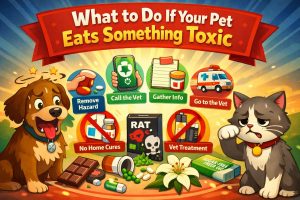
What should you do first. Call an emergency veterinarian right now, then get ready to leave.
Next, grab the coolant container or take clear photos of the front and back label. Then bring that label to the clinic. Ingredient names change the plan.
Then block access to the area. Close the garage door, gate off the driveway spot, or move your dog indoors.
Now check your dog’s face and paws for wet residue. Then rinse with lukewarm water and mild soap, and dry your dog. So you reduce ongoing licking and skin contact.
Then go. Do not wait for symptoms. Early treatment has a narrow window, and outcomes drop as time passes.
Why antifreeze is so dangerous
Ethylene glycol turns into toxic byproducts inside the body. Those byproducts can trigger metabolic problems, then damage the kidneys, and calcium oxalate crystals can form in kidney tubules.
So a dog may look “drunk” early, then look a bit better for a short stretch, and then crash into kidney failure.
Some products use propylene glycol instead of ethylene glycol. That version is less toxic than ethylene glycol, yet large ingestions can still cause serious illness. So treat every coolant exposure as urgent until a veterinarian confirms the exact product.
How much can hurt a dog
A small amount can be deadly. VCA notes that even tiny volumes can cause severe poisoning, and it gives a rough lethal estimate based on body weight.
So even a quick lick from a puddle deserves real attention.
Antifreeze poisoning in dogs symptoms
Symptoms often change over time. So it helps to know the usual pattern.
Early signs that often show up fast
- Stumbling, wobbling, acting drunk
- Sleepiness, weakness, collapse
- Vomiting
- Heavy thirst
- More urination than normal
- Low body temperature in some cases
- Seizures or coma in severe cases
These early signs can look random. Still, the cause can be ethylene glycol, so treat it like a true emergency.
Later signs that can point to kidney injury
- Loss of appetite
- Ongoing vomiting
- Dehydration, dry gums
- Less urine, or no urine
- Mouth ulcers or drooling in severe kidney disease
- Fast breathing in severe cases
- Seizures or coma in severe cases
So a dog that looks “tired and off” after a garage incident needs urgent care, even with mild signs.
Antifreeze poisoning in dogs timeline
Veterinary references often describe three stages. Timing varies by dose, concentration, and the dog’s size. Still, the stage pattern stays useful.
Stage 1, about 30 minutes to 12 hours
This stage often looks like alcohol intoxication. Vomiting can occur, then thirst and frequent urination, then poor coordination and depression.
So a dog may look tipsy, then sleepy, then unstable.
Stage 2, around 12 hours after ingestion
Dogs may appear to briefly improve around this time. That short improvement can mislead people into waiting.
So do not treat “seems better” as “safe.”
Stage 3, about 36 to 72 hours in dogs
Severe kidney failure often develops in this window for dogs. At that point, urine output can drop, then toxins build in the bloodstream.
So time matters, and the clock starts at exposure.
“My dog drank antifreeze a week ago.” What that can mean
A week is a long time in ethylene glycol poisoning. Severe kidney failure in dogs often appears in the first few days, so many untreated dangerous exposures turn critical well before seven days pass.
Still, a dog can look normal after a scare for reasons that do not feel obvious in the moment:
- A tiny lick, not a swallow
- A diluted puddle
- A propylene glycol product, not ethylene glycol
- A different fluid that looked like coolant
So the safest move is a vet check. Bloodwork and urinalysis can show kidney injury even while a dog still acts normal at home.
Home remedies for antifreeze poisoning in dogs
There is no safe home remedy that replaces veterinary antidotes and hospital care. So skip advice from forums and shortcuts.
People often search for “home remedy” ideas like milk, oil, activated charcoal, or waiting it out. Those plans fail in real life. Ethylene glycol absorbs quickly, and the toxic process keeps moving. So delay costs time that treatment needs.

“Antifreeze poisoning in dogs treatment vodka.” Why this shows up, and why it is risky at home
This search phrase is common, and the history behind it is real. In veterinary toxicology, ethanol can block the enzyme pathway that converts ethylene glycol into its most damaging metabolites. Fomepizole is another antidote that targets the same pathway more directly.
Still, vodka at home is unsafe.
- No reliable dose without lab guidance and exact exposure details
- Higher risk of vomiting and aspiration in a wobbly dog
- Added sedation that can hide worsening neurologic signs
- No monitoring for blood chemistry shifts that can turn dangerous
So keep it simple. Do not give alcohol at home. Go to an emergency veterinarian.
Dog ingested antifreeze treatment at the clinic
Clinic care focuses on fast action, then steady monitoring.
Antidotes
Veterinary sources describe fomepizole (4-MP) and ethanol as antidotes. The best results come from early treatment, and pet care sources often cite a tight window, with strong benefit reported with treatment started within about eight hours.
So even an hour matters.
IV fluids and monitoring
Dogs often need IV fluids, electrolyte checks, acid base support, and urine output tracking. So the team can protect the kidneys, support circulation, and catch complications early.
Diagnostic testing
Clinics use history plus lab work. Blood chemistry and urinalysis help assess kidney injury and metabolic status. So the vet can pick the right plan, then adjust it based on how your dog responds.
Long term effects of antifreeze poisoning in dogs
Long term outcome tracks with speed of treatment and kidney injury severity.
- Early antidote therapy can prevent kidney failure and death.
- Once severe kidney failure develops, prognosis drops, and survivors may face lasting kidney disease.
So follow up testing matters. Many veterinarians recheck kidney values after discharge, then repeat testing based on trends.
Prevention that works in real homes
Prevention is not complicated. It just needs consistent habits.
Spill control and cleanup
- Closed containers stored high up
- No open catch pans left on the floor
- Spills cleaned right away, then the area washed
- Leaks fixed fast, so puddles stop forming
So a quick garage scan after car work helps more than people think.
Product choice
Propylene glycol coolants are less toxic than ethylene glycol. Still, they can harm pets at high doses. So keep the same storage and cleanup rules for every coolant bottle.
Households with dogs and cats
Many homes have both. So it helps to keep a broader safety mindset around toxins and hydration.
For food safety and label changes that affect what pets eat, take a look at this guide on pet food recalls and label updates. It fits well with a “read labels and reduce risk” routine.
Then, for cat owners worried about kidney stress and feeding choices, this article on dry food and cat kidneys adds practical feeding ideas that many multi pet homes use.
So the big picture becomes easier. Store toxins like poisons. Read labels. Keep floors clean. Then call fast in an emergency.