
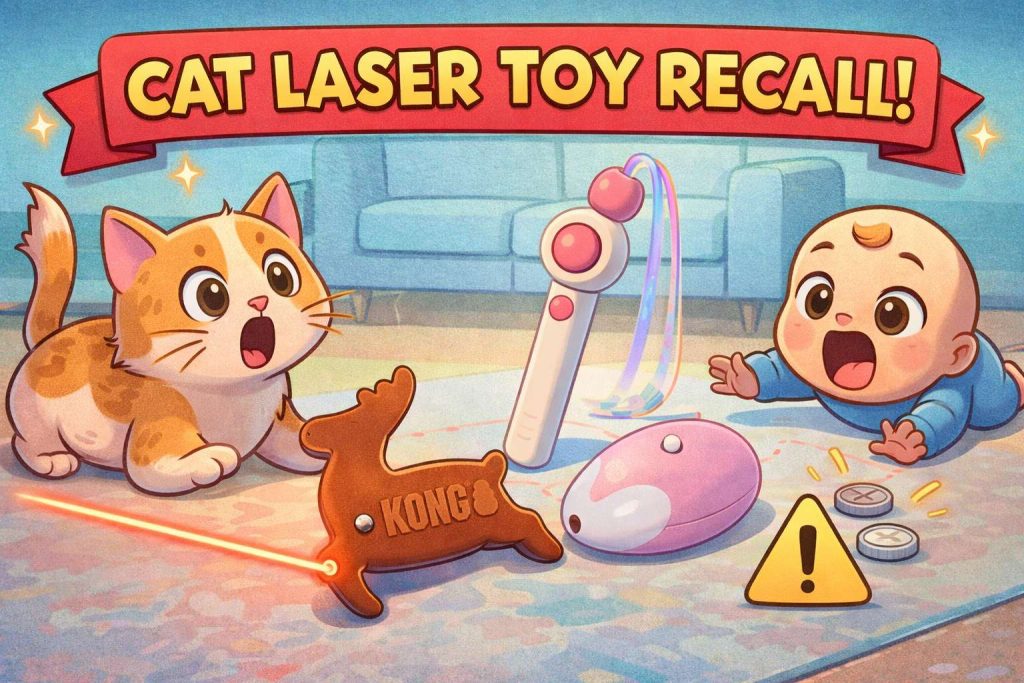
If your cat loves chasing a red dot across the floor, you are not alone. Laser toys are cheap, easy to use, and honestly pretty fun to watch. Still, a recent cat laser toy recall is a good reminder that even “simple” pet gadgets can carry real risks, especially in homes with kids.
This recall is linked to button batteries. And yes, it matters even if your cat is the only one who plays with the toy. Small children can get their hands on these items fast, so it is worth doing a quick check today.
Which cat laser toys were recalled?
ACCC Product Safety Australia published three separate recall notices on January 23, 2026 (PRA 2026/20797, 2026/20800 and 2026/20802), one for each of three laser toys sold online in Australia. The supplier on all three is Millell Pty Ltd, trading as Pet Circle. If any of these names sound familiar, check your order history and look for the SKU.
1) KONG Christmas Reindeer Cat Laser
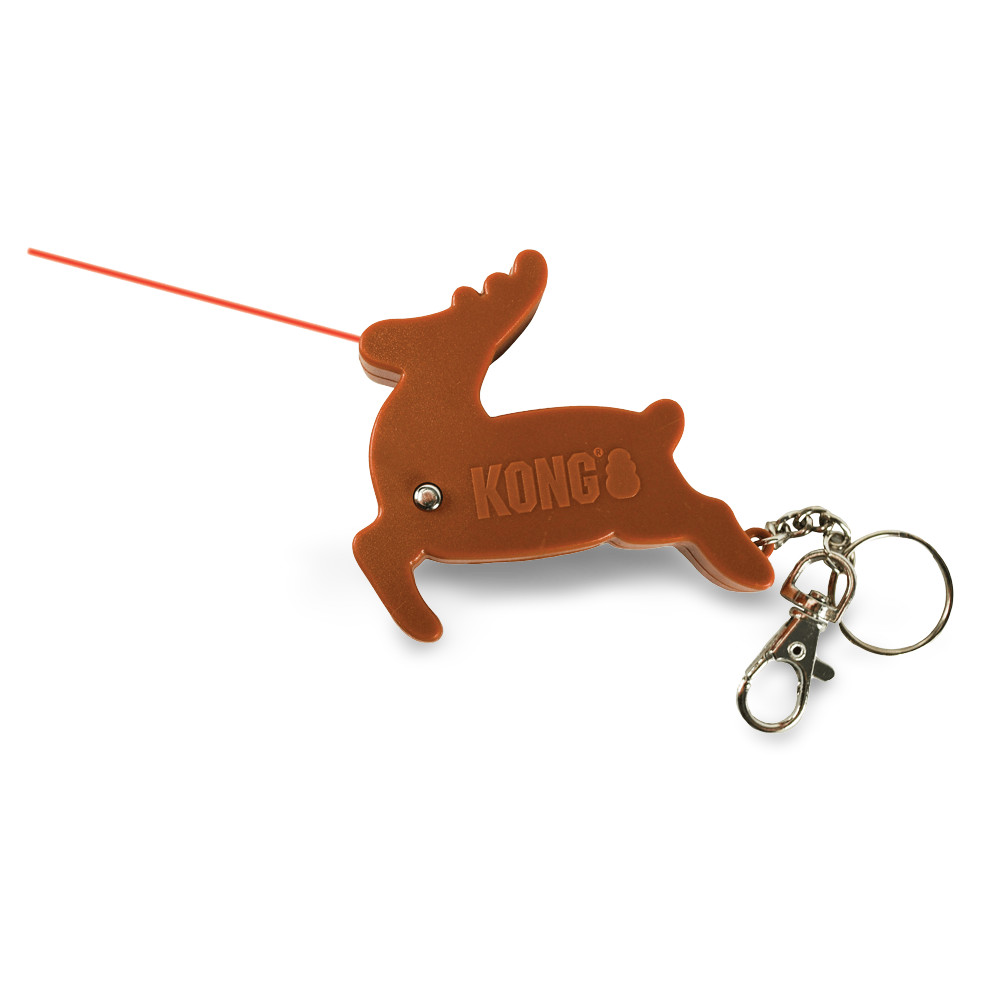
- SKU: H19C138
- Sold: 5 November 2020 to 5 December 2025
- Sold via: Pet Circle, PetZoo, 99 Pet Shop, Pet Shack (online)
2) Pet Gravity Retractable Cat Wand with Laser (Pink and Blue)
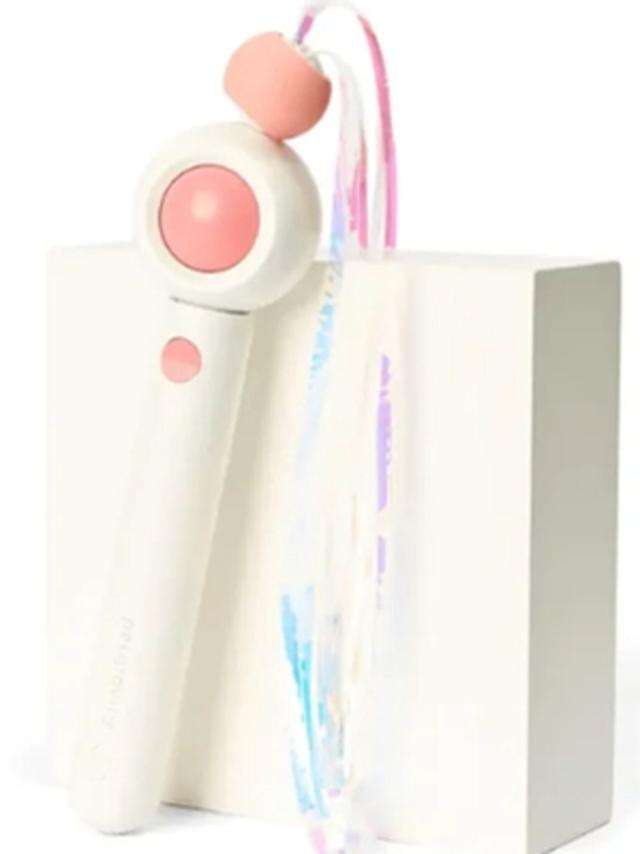
- SKU (Pink): PFLPGCT053
- SKU (Blue): PFLPGCT054
- Sold: 8 October 2025 to 19 December 2025
- Sold via: Pet Circle and Amazon (online)
3) M-Pets Laser Mouse Cat Toy
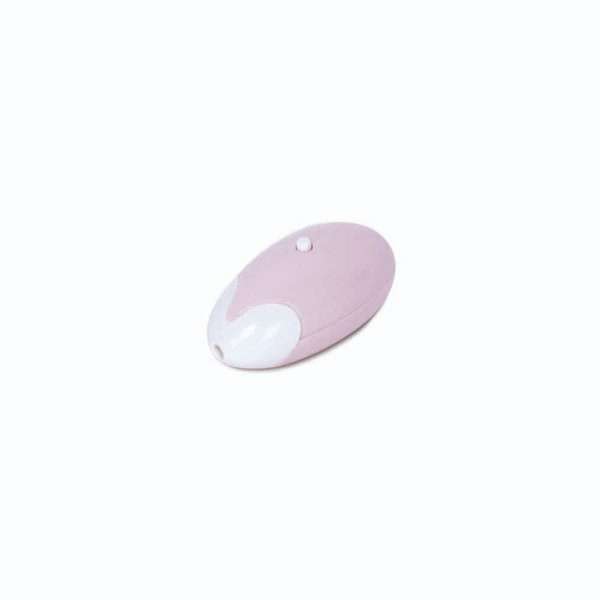
- SKU: M20631999
- Sold: 5 October 2025 to 15 December 2025
- Sold via: Pet Circle, Woolworths Marketplace, Big W Marketplace, eBay (online)
If the product name matches but the SKU does not, stay cautious. Listings can change slightly across shops, and bundles can look identical at a glance. So, if you feel unsure, treat the toy like it is affected until you confirm it.
Why were these laser toys pulled from shelves?
The issue is the battery compartment. The recall notices state that these products do not meet the mandatory safety rules for consumer goods that contain button or coin batteries.
Here is the problem in plain terms.
- A battery door may not stay secure.
- A child can reach the battery.
- A swallowed button battery can cause severe internal injury fast.
That last point is the scary one. Button batteries can burn through tissue inside the body. And even worse, a child might not show obvious symptoms at first. So the “it seems fine” moment can be misleading.
What to do if you have one of these toys
Start simple, then move step by step. This takes only a few minutes.
1) Stop using the toy right now
Put it out of reach as soon as you spot it. Even if the battery cover looks fine, do not “test it later.” Just remove it from play.
2) Keep it away from children and pets
Place it somewhere closed and high up, like a top shelf in a cupboard. Avoid leaving it on a counter “for a second.” That second becomes ten minutes fast.
3) Match the name and SKU
Check your order confirmation email or account purchase history. Match the product name first, then check the SKU.
4) Request a refund from Pet Circle
The ACCC notices tell owners to stop using the product and contact Pet Circle for a full refund. Once you confirm you own one, go straight to the refund request.
5) Track down any toy you gifted or donated
This part gets missed a lot. If you gave it away to a friend, a neighbor, or family, send them the toy name and SKU. It feels a bit awkward, sure, but it can prevent a serious accident.
6) Handle loose batteries safely
If you already removed a battery, do not leave it on a table. Put it into a sealed container and keep it out of reach until you can bring it to a battery collection point.
Why this matters even if you do not have kids
Even kid-free homes can have risk. Children visit. Friends drop by. A niece or nephew comes over for coffee and suddenly the cat’s toy box becomes the world’s most interesting thing.
And cats are sneaky. They knock toys under furniture, then drag them back out days later. So a toy you thought you “stored away” can still show up at the wrong moment.
That is why button battery rules exist. A secure battery door is not just a nice feature. It is the safety barrier.
A quick battery-toy safety check you can do today
You do not need special tools for this. Grab the toy, take a close look, and do a basic inspection.
Look for a screw-secured battery door
A strong battery compartment usually needs a small screwdriver to open. If it clicks open with a fingernail, that is a red flag.
Press the cover firmly
A solid door should not flex, rattle, or shift.
Check seams and gaps
If you see a visible gap around the battery door, treat it as a weak point.
Watch for cracked plastic
A small crack near the casing can turn into a battery access point after one more drop.
After that, store any battery-powered toy in a closed drawer between sessions. It is a small habit, but it helps.
Laser play safety tips that help cats too
A recall focuses on batteries, yet laser play comes with its own best practices. These are easy to follow, and your cat will still have a good time.
Keep the laser away from eyes
Always keep the dot on the floor. Avoid shining it near faces or reflective surfaces.
End the session with a “real catch”
Cats can get frustrated if they never catch anything. So when you finish laser play, toss a small plush toy or bring out a wand toy they can grab.
Play in short sessions
Two to five minutes can be enough for a burst of exercise. Then give them a break.
Store the toy out of reach
Even if your cat does not chew it, kids might explore it.
And while you are thinking about learning and play, you might enjoy this piece on how dogs pick up words through listening. It links nicely to how pets process sound and patterns in daily life: some dogs can learn new words just by listening, and it looks a bit like toddler learning.
Safer alternatives to laser toys
If you want to skip battery-powered toys for a while, you still have lots of options. And most cats love the basics.
- Feather wand toys with a sturdy handle
- Crinkle balls or soft foam balls sized for cats
- Catnip kicker toys for solo play
- Treat puzzles for mental work and slow eating
These options keep play simple. Plus, you remove the button battery risk from the equation.