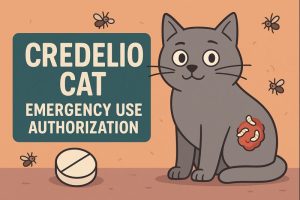
If your dog ever needs treatment for screwworm, the vet now has one more chew to use. It can also change your dog's flea and tick routine for months afterward. On November 3, the FDA issued an Emergency Use Authorization for Bravecto (fluralaner) chews to treat New World screwworm infestations in dogs and puppies. Bravecto is prescription only, so it comes from a vet.
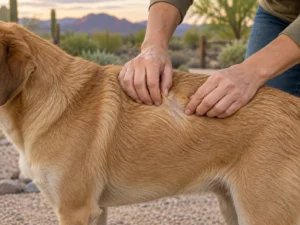
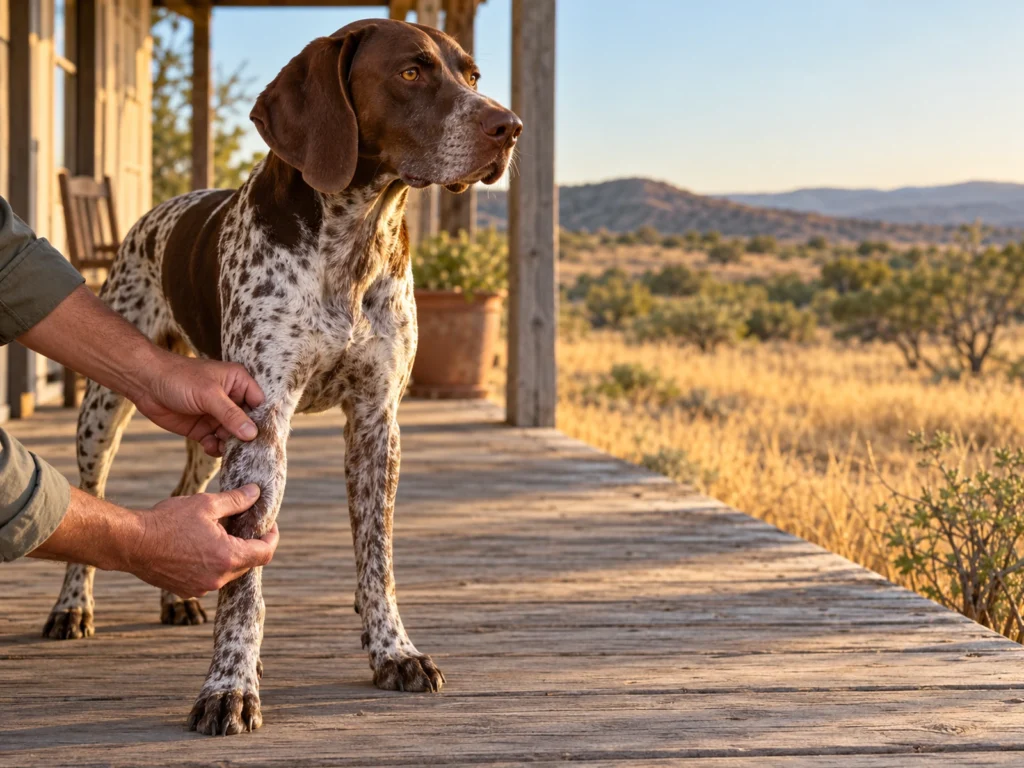
Owners travelling in areas affected by screwworm should follow current APHIS and state animal-health advice. The Arizona detection makes those travel and wound checks relevant beyond the earlier affected areas. Check your dog for wounds and contact a veterinarian promptly if you find larvae. Do not rely on an existing flea treatment to rule out infestation.
What the authorization covers
The vet gives a single chew at the usual Bravecto dose for the dog's weight, with food. FDA's fact sheet for vets adds that treatment also means removing the larvae and caring for the wound. The chew is one part of a clinic visit.
Bravecto is authorized only to treat screwworm, and it hasn't been tested for preventing it over its 8- or 12-week dosing interval. A treated dog can be reinfested. A dog that already takes Bravecto for fleas and ticks still needs its daily skin checks. If your vet thinks your dog's risk calls for prevention, ask about the daily nitenpyram tablet the FDA authorized for that in September.
Bravecto's effect on screwworm hasn't been tested in puppies under 6 months or under 4.4 pounds.
The flea and tick chew after treatment
Fluralaner, the drug in Bravecto, stays in a dog's blood for months. Measurable levels were found through 112 days after one dose. Bravecto belongs to a drug class called isoxazolines. For at least three months, the fact sheet asks vets to weigh that if the dog's usual flea and tick product is also an isoxazoline.
FDA warns that another isoxazoline given while fluralaner remains measurable may increase adverse-reaction risk, including tremors, poor coordination and seizures. These reactions have occurred in dogs without a previous seizure history. The veterinarian must also weigh the risks if the dog is already taking another drug in this class before Bravecto treatment.
So tell the vet which flea and tick product your dog takes, and ask when it can restart.
How much evidence is behind it
FDA based the authorization on one field study at three sites in Brazil, with 15 client-owned dogs that had infested wounds. A day after one chew, the wounds held only dead larvae. The study had no control group, and FDA names that and the small number of dogs as its limits.
An emergency authorization uses a may-be-effective standard, with benefits and risks considered. This small uncontrolled study cannot establish a precise failure rate or separate the treatment effect from other influences. The findings support veterinary use under the authorization, not a guarantee for every dog.
Our take
Do not change your dog’s flea and tick treatment because of this announcement without veterinary advice. In an affected area, keep checking for wounds. If you find maggots, call a vet immediately. Bravecto is only one part of treatment; larvae removal and wound care are still needed. Tell the vet every parasite medicine your dog receives and arrange the next doses before leaving the clinic.